Melange of Tales

Category: Gujarat

  • Statue of Unity – Travel Guide to the World’s Tallest Statue

    Statue of Unity – Travel Guide to the World’s Tallest Statue

    Sardar Vallabhbhai Patel is the man behind today’s unified India. He was one of the most important leaders who helped India attain freedom from the British in 1947. India being the world’s most diverse country, Sardar Patel took up the most challenging job of unifying it and hence was given the name ‘Iron Man of India’. The Statue of Unity is raised as an iconic symbol for the future generations to know how a man can unify a country of 560+ princely states to what it is now. My blog post ‘Statue of Unity – Travel Guide to the World’s Tallest Statue’ will give you a detailed information on what you can do at Statue of Unity.

    SoUfromRoad
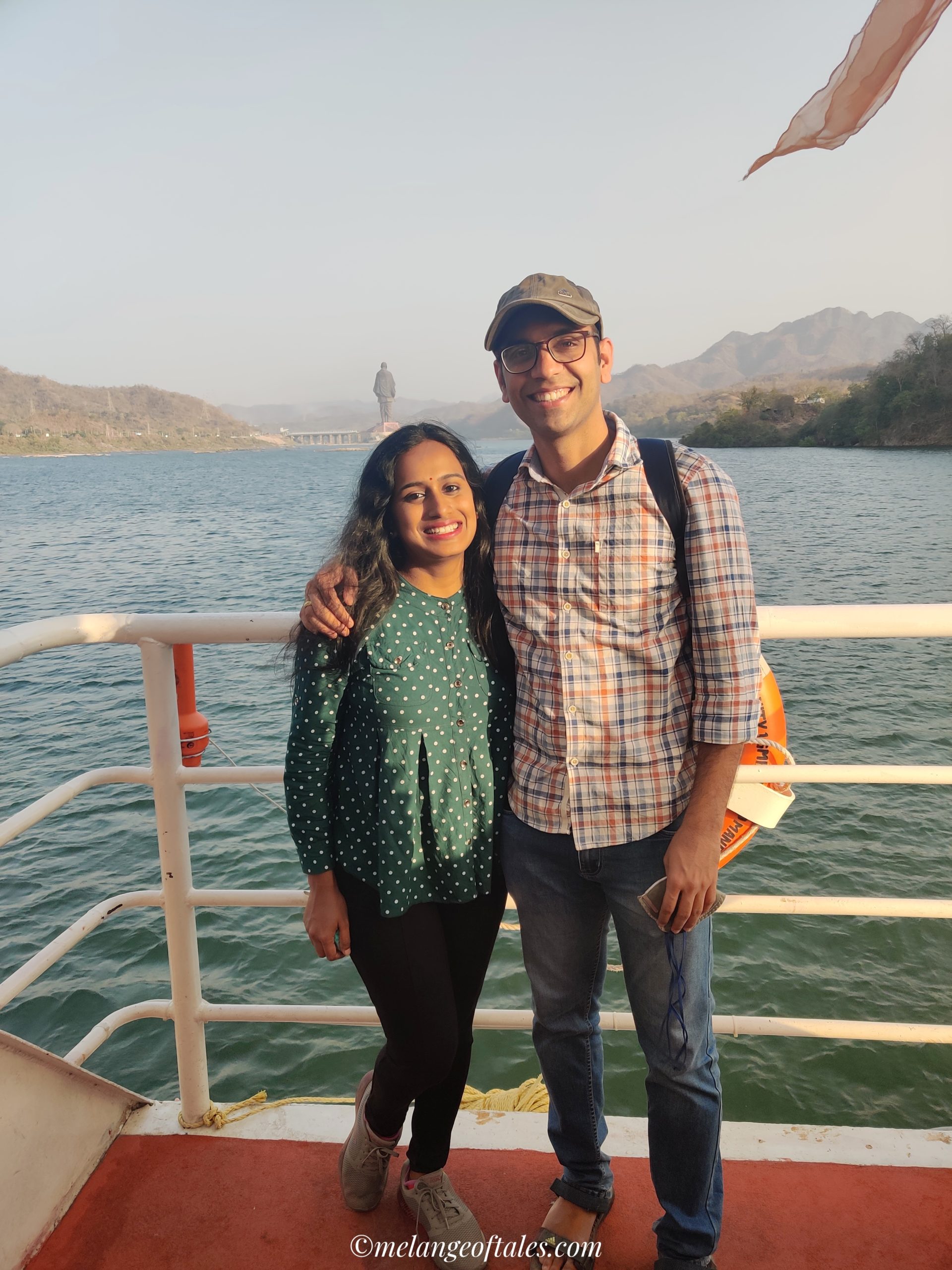
    View of the statue from outside the memorial garden

    Short History of SoU

    The 182m statue on the banks of river Narmada facing the Sardar Sarovar Dam is located in Kevadia (currently Ekta Nagar) which is a small town in the Narmada district of Gujarat. The statue designed by Ram V Suthar was built by melting tons of iron collected from 100 million farmers across the country. The statue’s colour is expected to change as the statue ages. More than 3500 workers were employed to construct this architectural marvel of Sardar Patel in 4 years’ time frame.
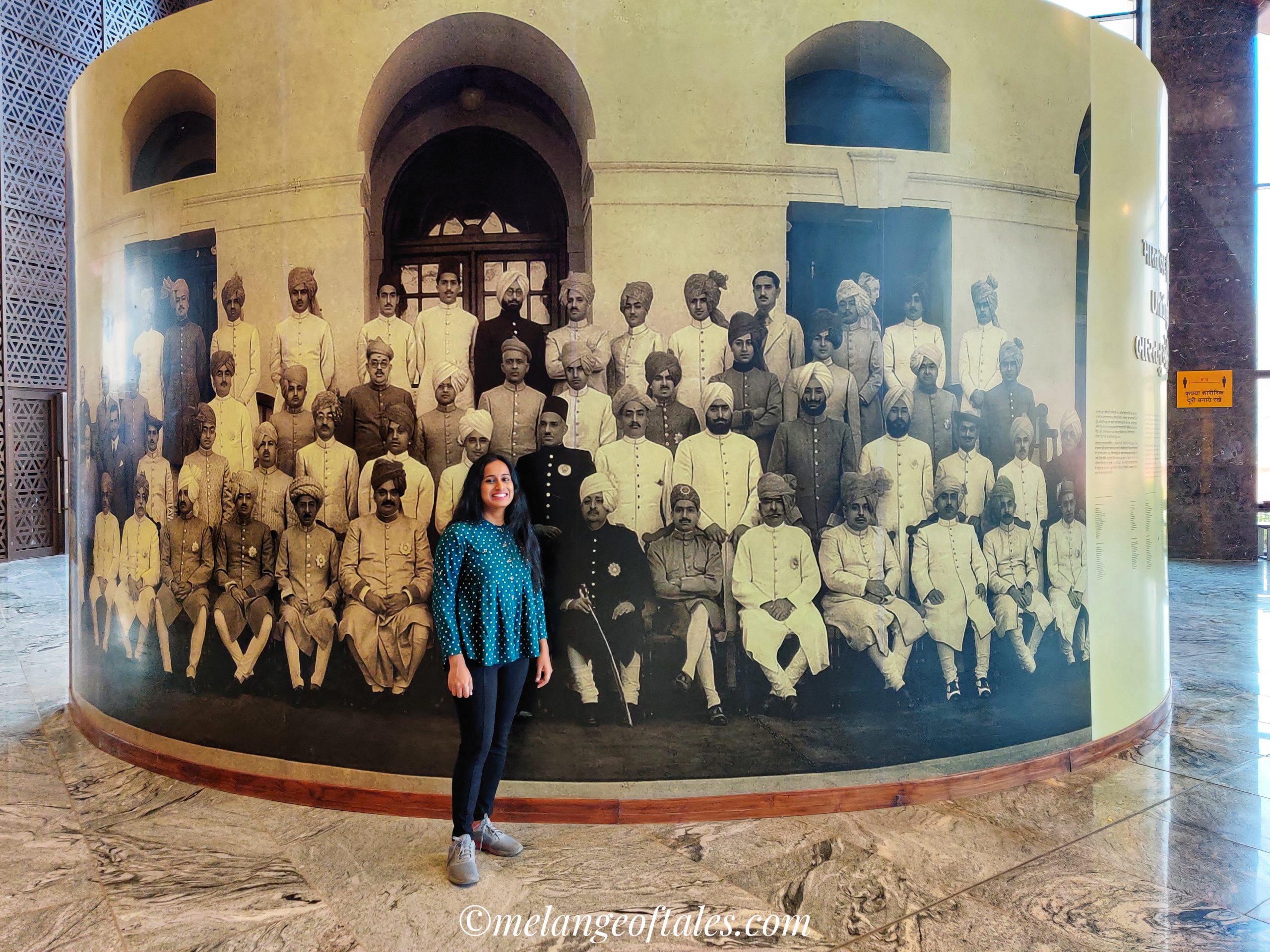
    KingsofPrincelyStates
    With the then kings of several princely states

    Note: Hundreds of local people are employed at the SoU boosting the economy of the district, the state and the country through sustainable tourism.

    How to reach SoU?

    FromDistance (approx.)Time taken (approx.)Train (to & from – Ekta Nagar Railway Station)Bus (to & from – SoU bus stand/helipad ground)
    Ahmedabad200 km3.5 – 4 hoursJAN SHATABDI EX (20947)GSRTC
    Vadodara (Baroda)90 km1.5 – 2 hoursJAN SHATABDI EX (20947), DDR EKNR SF EXP (12927)GSRTC
    Surat160 km3 – 3.5 hoursDDR EKNR SF EXP (12927)GSRTC
    • Pre-book your buses at GSRTC portal/mobile app
    • Pre-book your train tickets at IRCTC portal/mobile app
    • SoU team also offers you a day’s tour packages from Ahmedabad, Vadodara and Surat where the standard cost for a person is Rs.2500/- and it is the same for people boarding from any of the 3 cities
      Click here to reserve your package.
      Click here to check details about the package. 
      Note: In the links above do not get confused if the title of the page is given as from Vadodara/from Ahmedabad/from Surat. The details regarding the package and price remain the same irrespective of the start and end location.

    How to commute within the Statue of Unity premises?

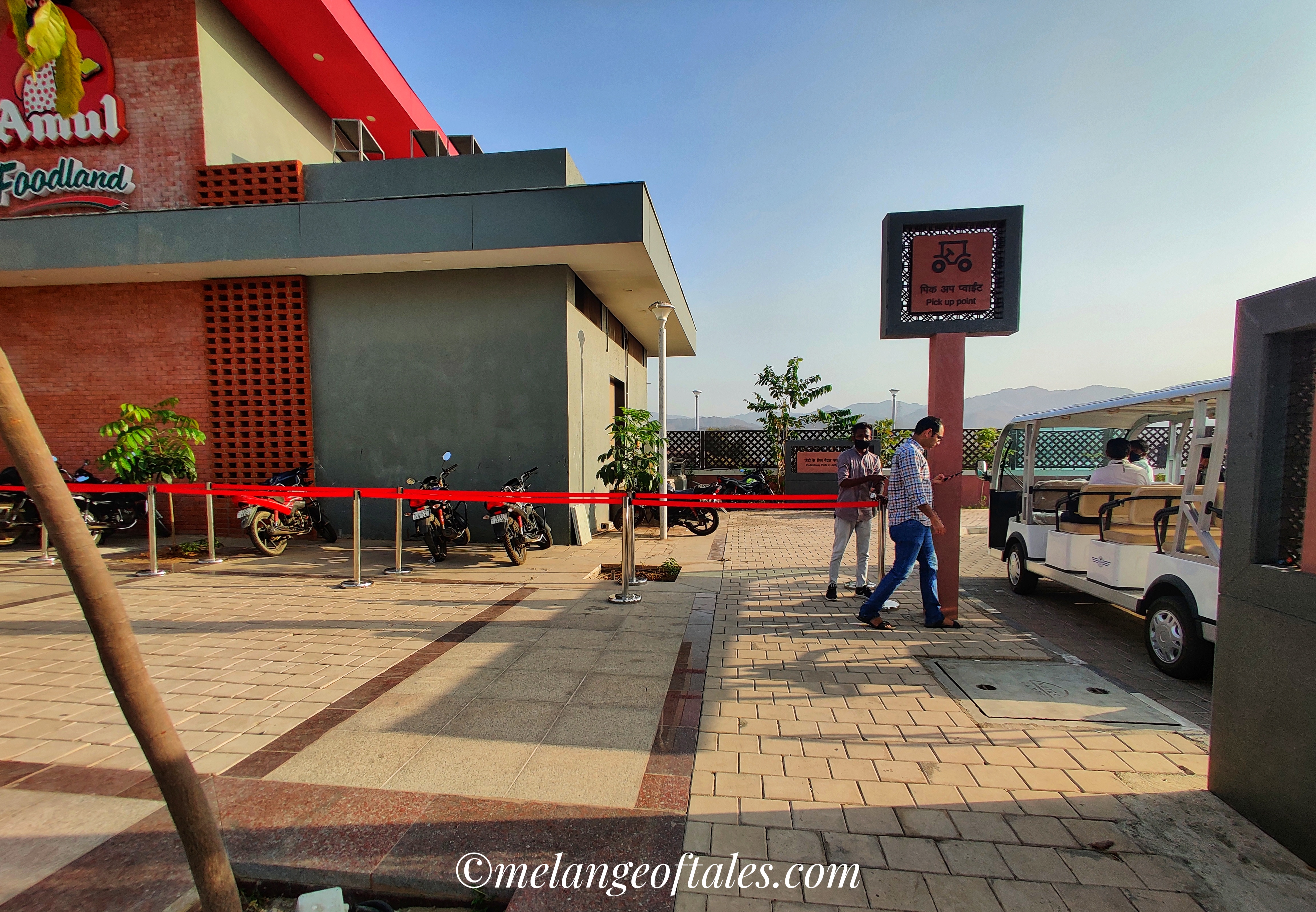
    Statue of Unity(SoU) is an EV(electric vehicle) zone. Unless you have your own EV, you will have to board SoU buses or SoU’s pink coloured electric auto-rickshaws run by the local women to commute between different view/activity points.

    Where to book tickets?

    Statue of Unity and entry to various view/activity points can only be booked online through their official website post-Covid.
    Click here to book tickets.

    There 4 different types of tickets just for entering the premises of the statue

    Ticket TypePrice (Adult – A, Child – C)Includes
    SoU Entry Ticket(A)Rs. 150/-
    (C)Rs. 90/-
    Access to go till Sardar Patel’s feet + museum + laser show + valley of flowers + shuttle buses + Sardar Sarovar viewpoint + laser show (NOT allowed to Viewing Gallery)
    SoU Viewing Gallery(A)Rs. 380/-
    (C)Rs. 230/-
    Viewing Gallery + above
    SoU Express Entry(A)Rs. 1030/-
    (C)Rs. 1030/-
    Viewing Gallery + above
    SoU Foreigner VG(A)Rs. 1530/-
    (C)Rs. 830/-
    Viewing Gallery + above

    Tickets for all other attractions also must be booked on the same official portal.
    Tip: If you are planning to visit on a weekend it is better to take SoU Express Entry (Indian) / SoU Foreigner VG (Foreigner) to skip queues.
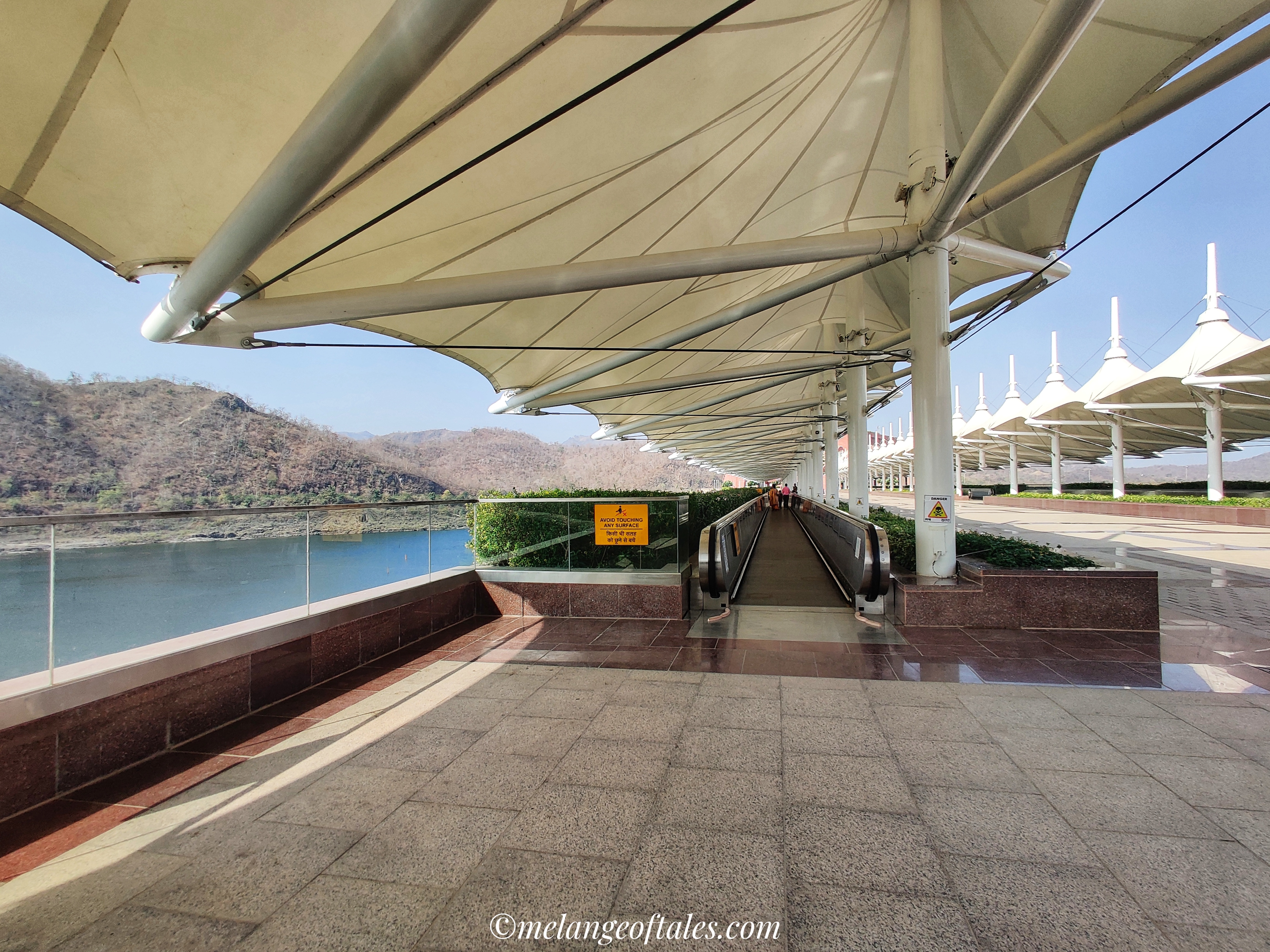
    Movingwalkway
    Moving walkway (travelator)

    Where to stay?

    Statue of Unity team offer many stay options themselves and there are many hotels that have come up in that area because of the increase in tourism. Narmada Tent City is the most popular stay, and it is a bit on the expensive end. You can check out more stay options provided by SoU here.

    Note: I didn’t have an overnight stay at SoU. I commuted by car from Vadodara and I was back home for the night 🙂
    In case you had started from Vadodara then you can come back for the night since there are umpteen number of buses and trains.

    Where to have food?

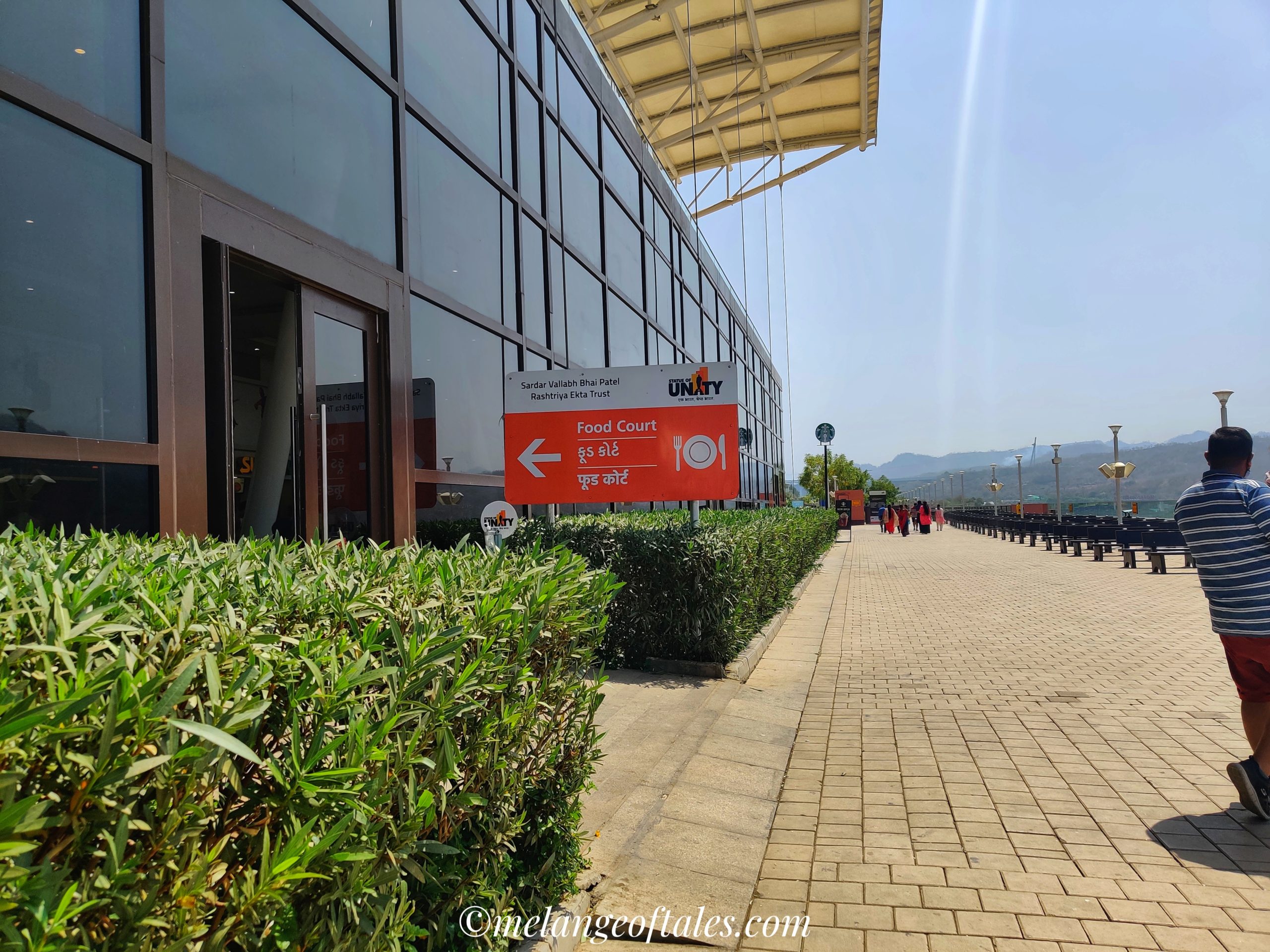
    You will get vegetarian food in and around the SoU premises. I had my breakfast in a food court within the statue premises and lunch at the Amul parlour in Shreshta Bhavan premises before my cruise ride.
    Similar to ‘Statue of Unity – Travel Guide to the World’s Tallest Statue’, click here to read my blog posts from Kashmir.

    Five Zones of the Statue of Unity

    Zone 1

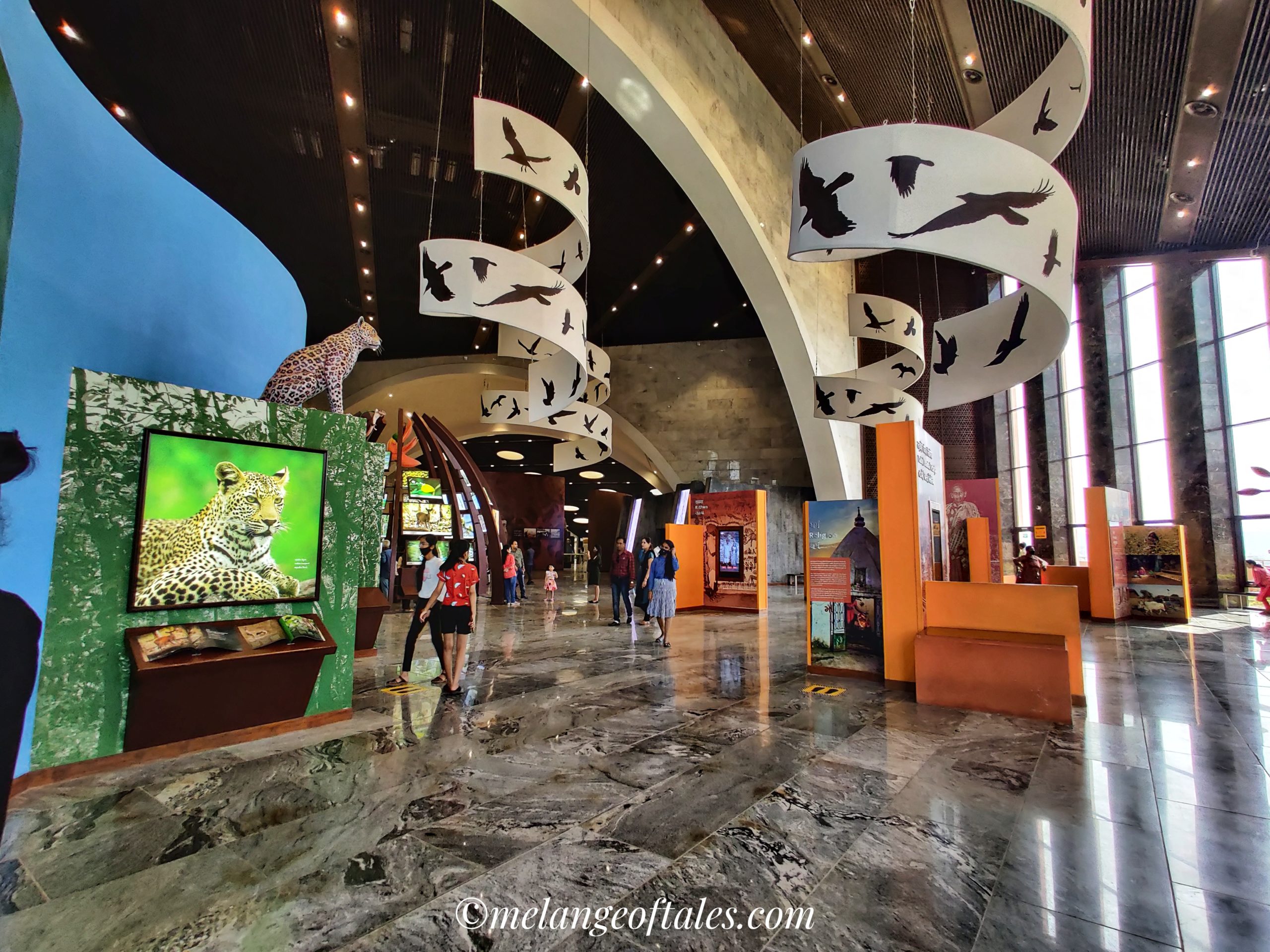
    Includes the memorial gardens and the interactive museum where you can learn a lot about the man himself, Sardar Patel’s role in uniting India and India’s freedom struggle.

    Zone 2

    Includes the area between Sardar Patel’s feet till thighs.

    Sardar's feet
    Feet of Sardar Patel’s statue

    Zone 3

    The area between Sardar Patel’s thighs to chest. The viewing gallery is present at 153m from the ground and at his chest. The view from the gallery of River Narmada and the SoU premises gave me goosebumps 🙂

    Zone 4

    The area between his chest and shoulders lies here. Tourists are not allowed in this zone.

    Zone 5

    Includes shoulder and head portion of the statue.
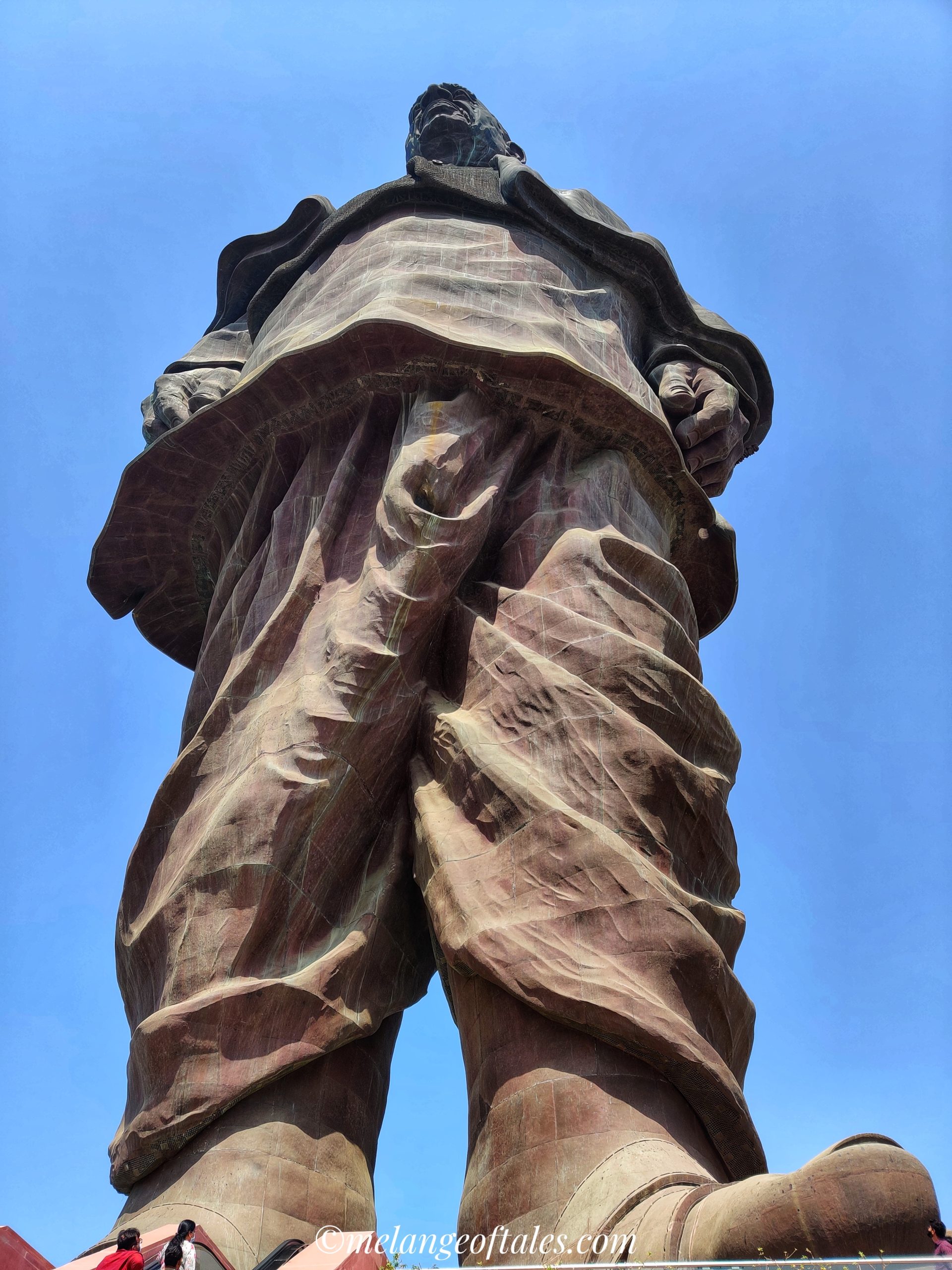
    entire statue
    Close view of the statue

    Attractions around Sardar Patel’s statue

    There are many attractions around the statue and if you want to visit every attraction then you would need at least 2 days.

    The attractions that I visited in a day

    • Vishwa Van – a place that houses herbs, shrubs and trees native to all 7 continents and you also get a view of the statue from the side
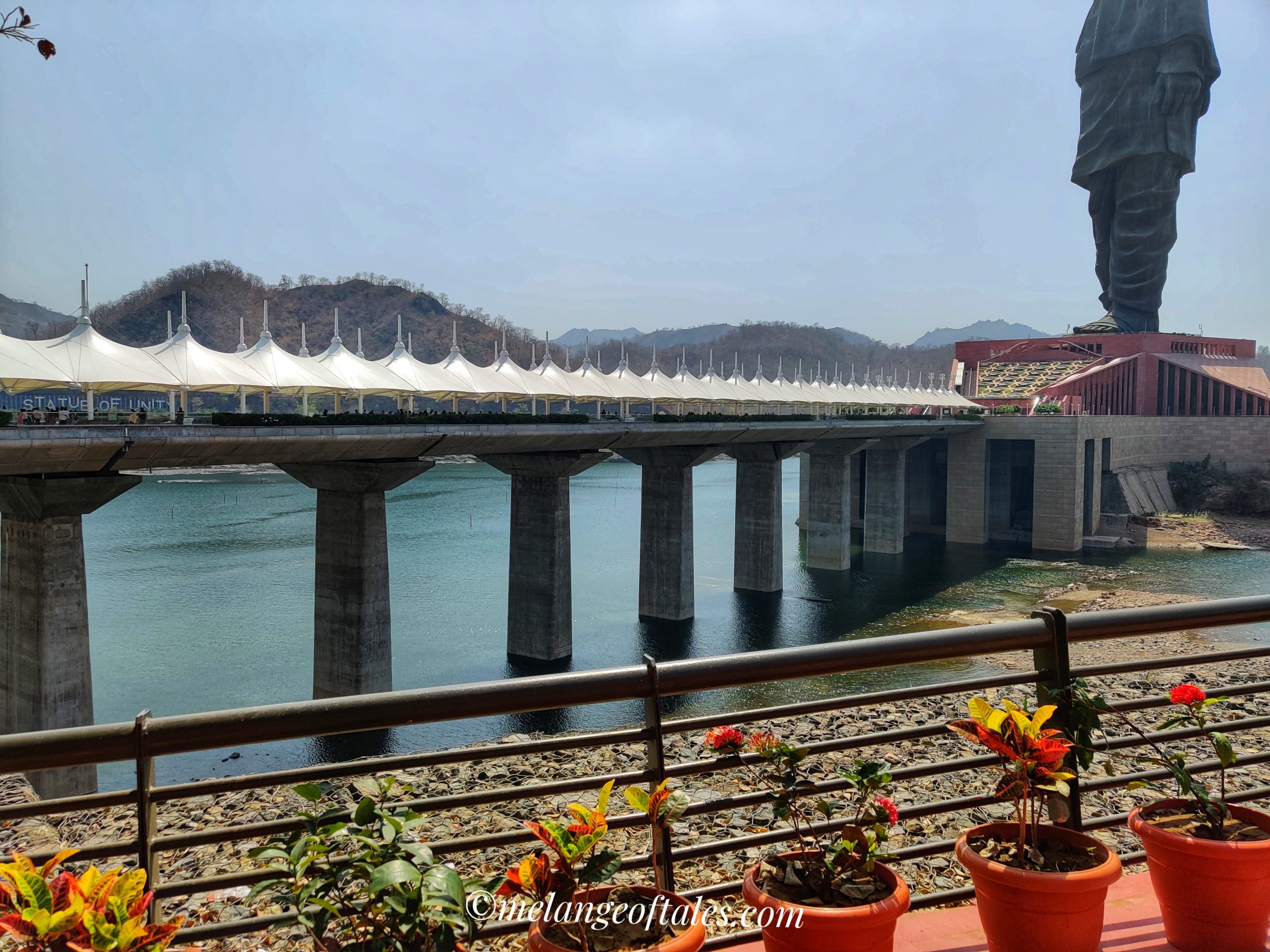
    View of statue from Vishwa van
    View of statue from Vishwa van
    • Valley of flowers (not worth it)
    • Butterfly park (not worth it)
    • Jungle Safari (includes aviary) – They had exotic animal and birds. The aviary was massive and I was amazed to see birds flying in flocks within it. I had a lovely time here
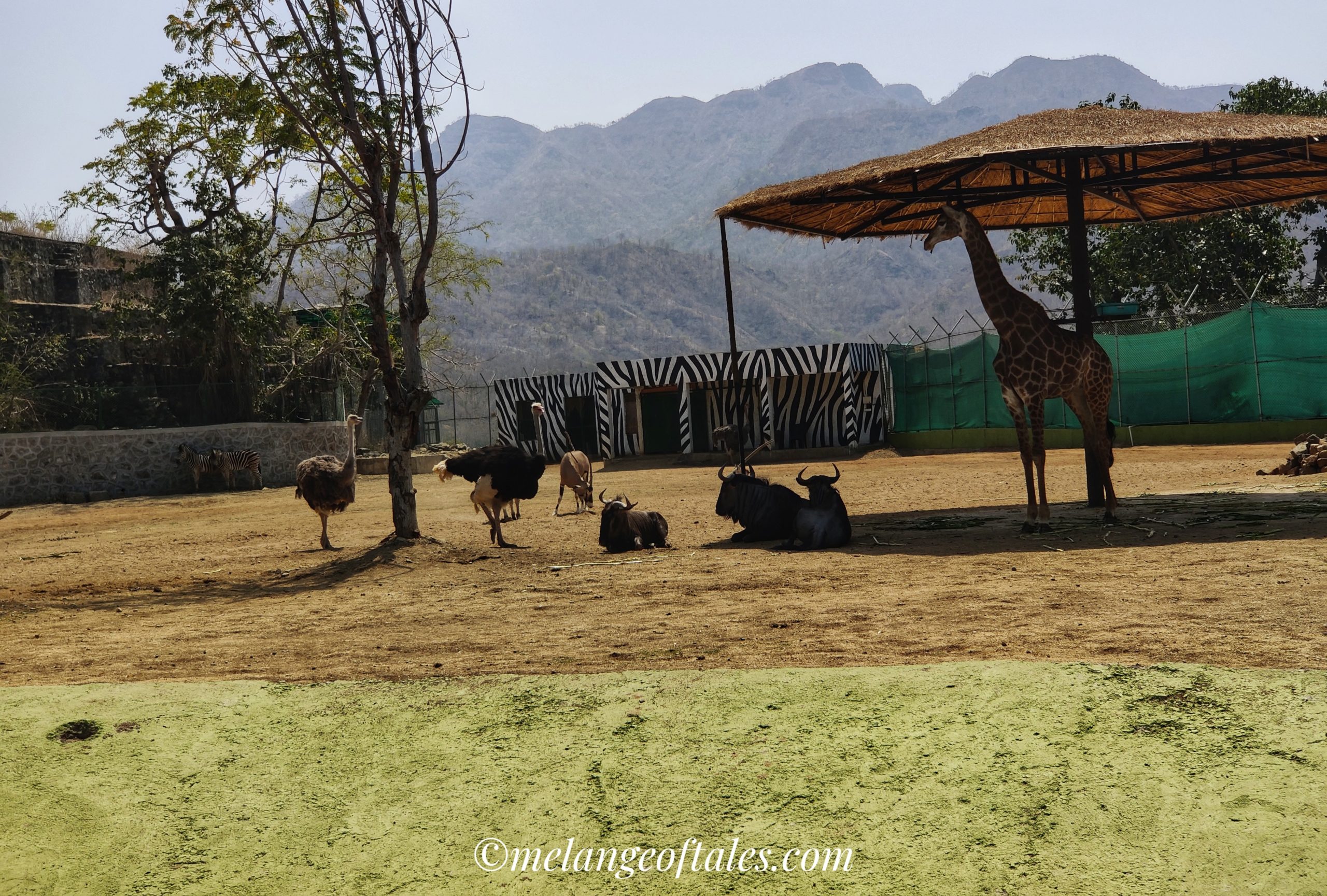
    Animals
    Jungle Safari
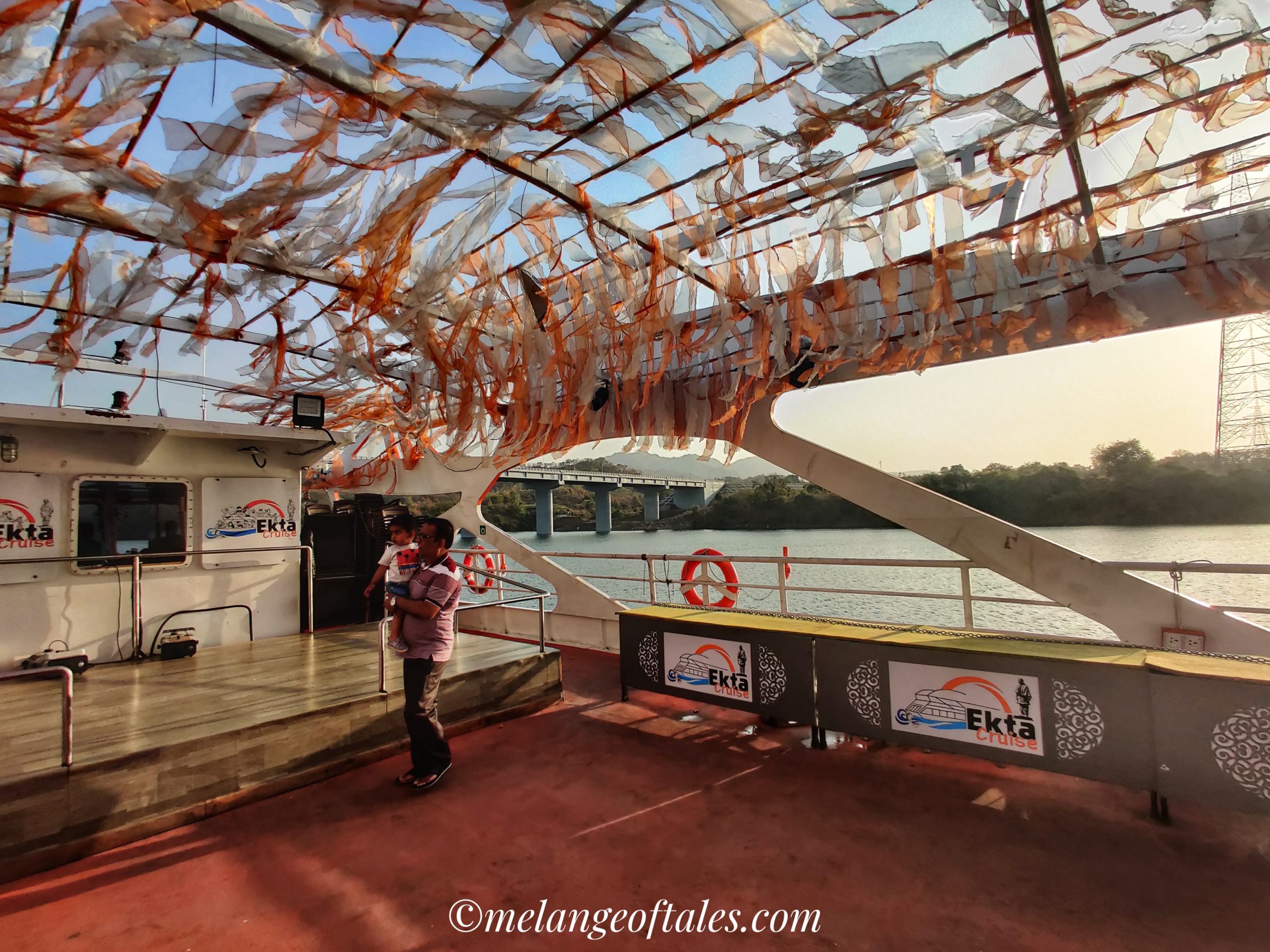
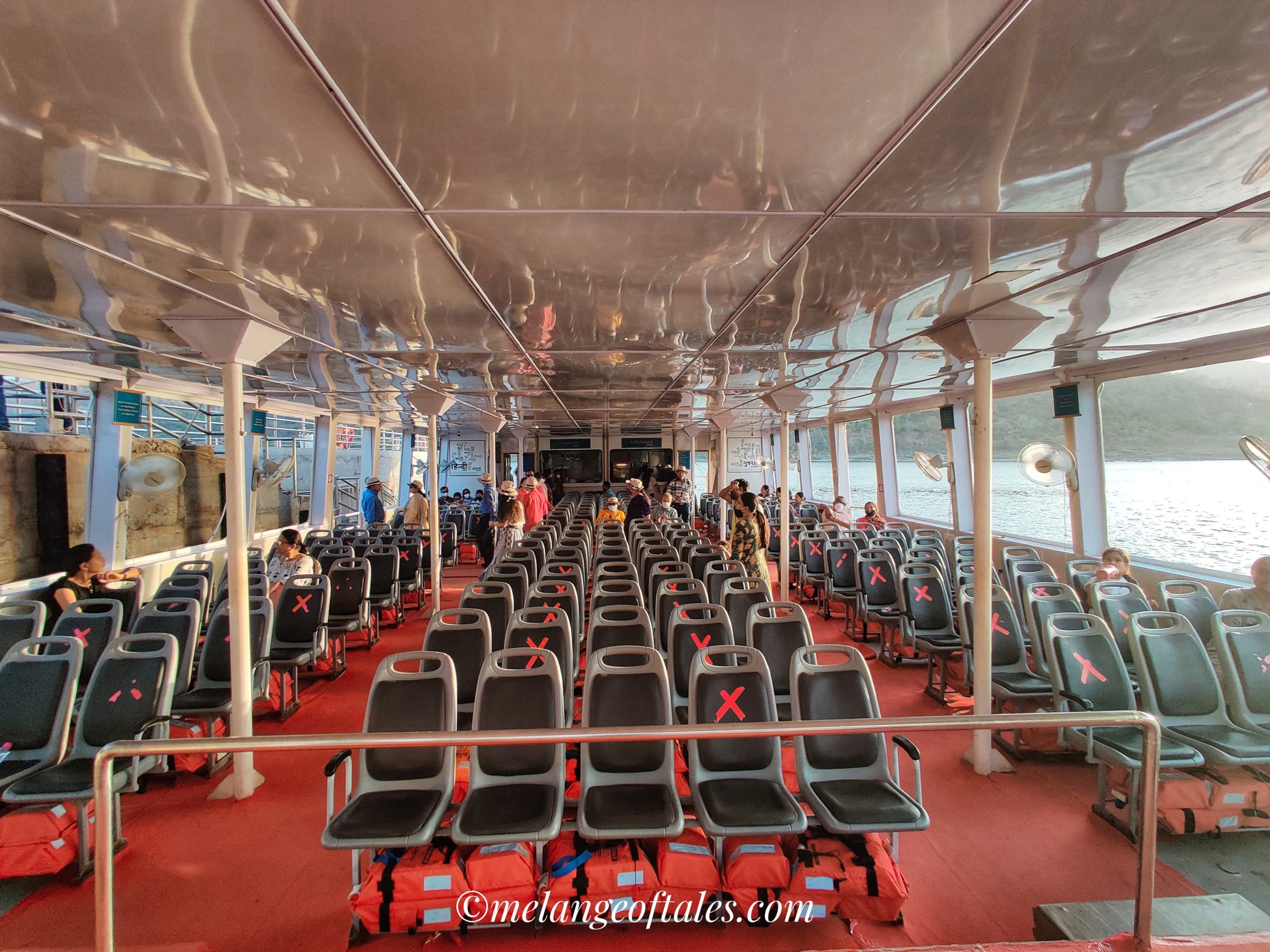
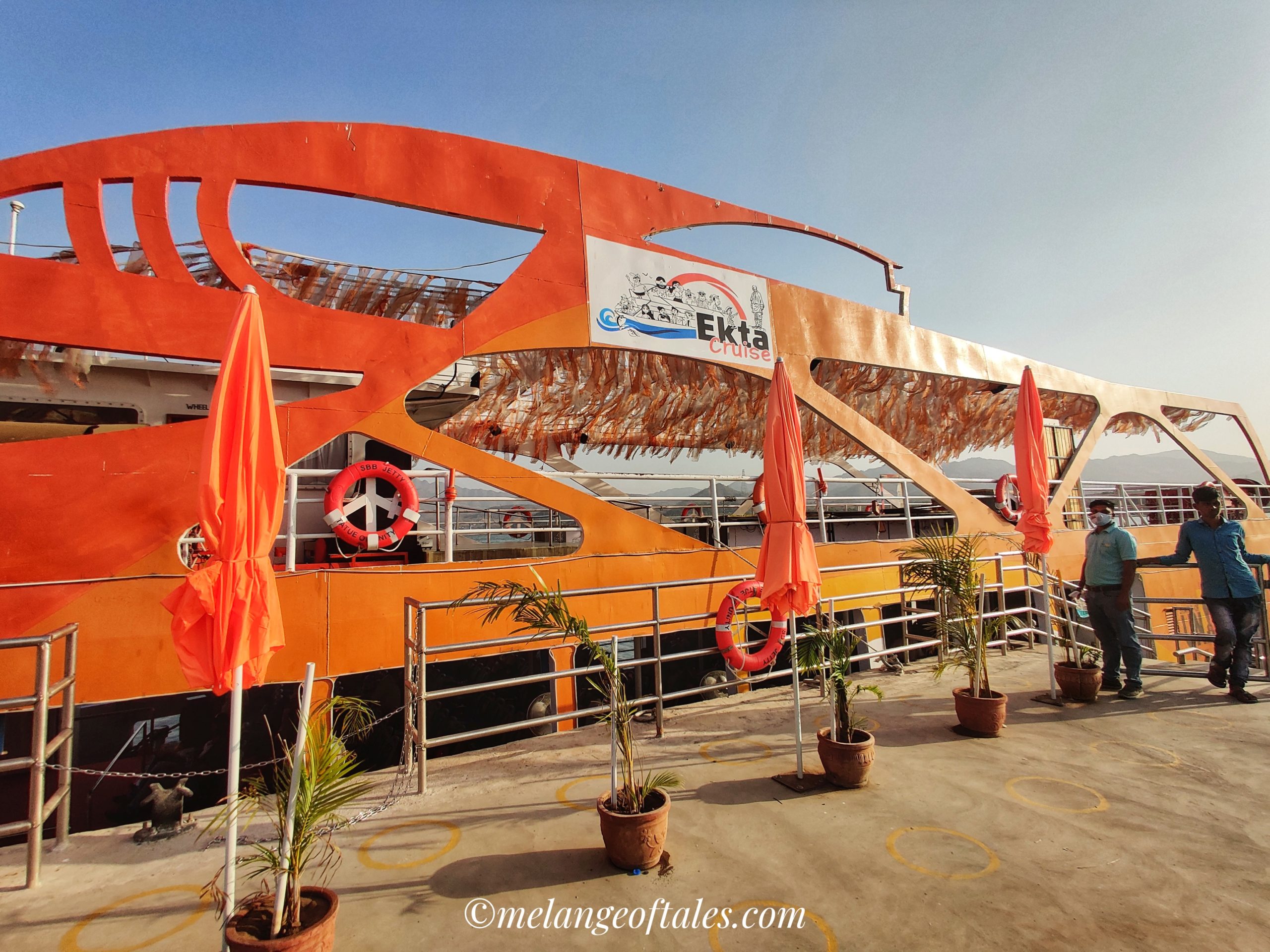
    • Ekta Cruise – This was the best of all attractions according to me
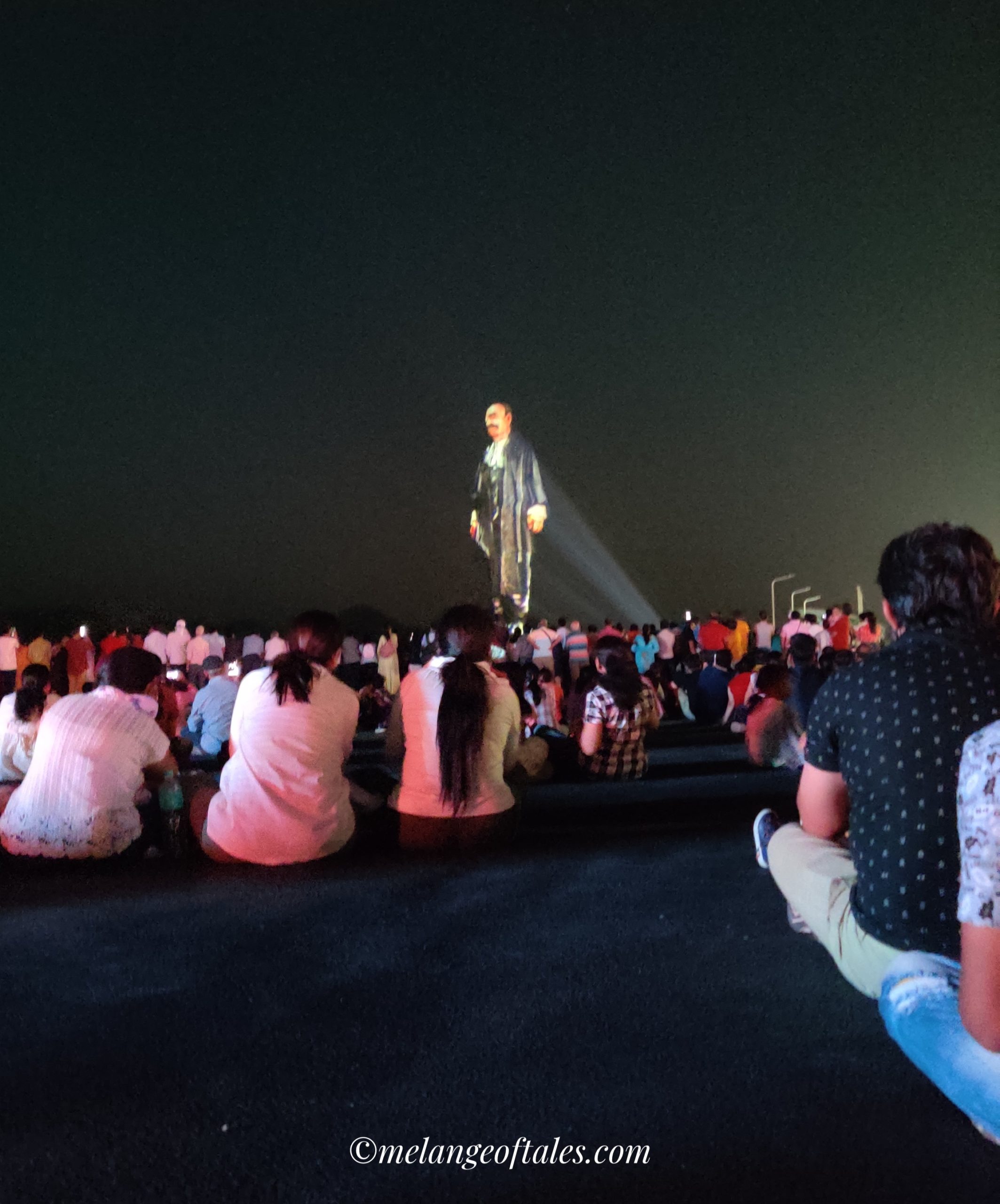
    • Laser Show – 15 mins of fun
    • Sardar Sarovar Dam – The music and the colours of the dam after sunset is not to be missed
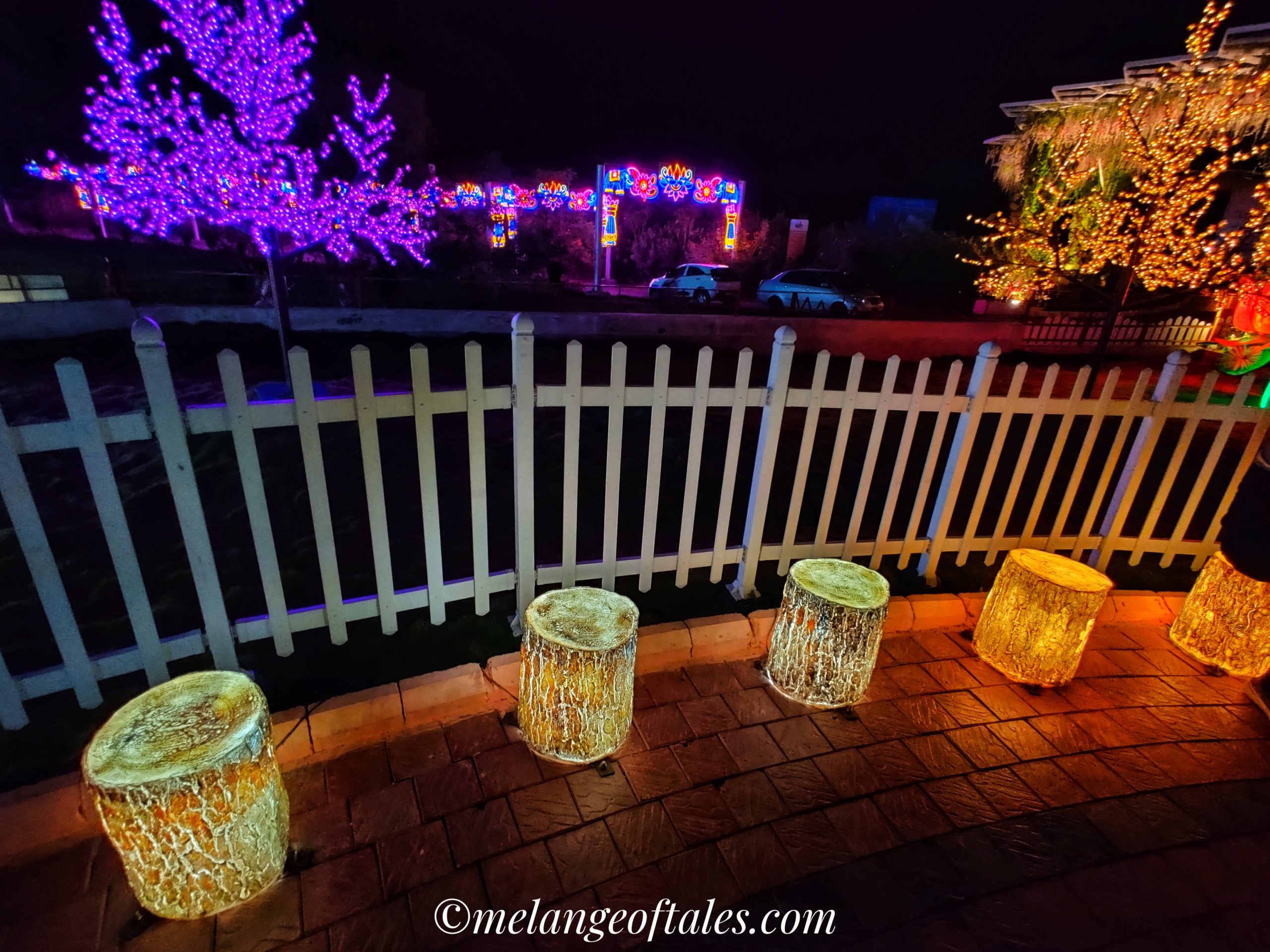
    • Glow Garden – The garden was literally glowing after the sunset

    Other attractions apart from the above

    • Narmada Ghat Aarti
    • Zarwani waterfalls
    • River rafting at Khalwani
    • Ekta dinner cruise
    • River front cycling
    • Sardar Sarovar Nauka Vihar (Boating)
    • Khalwani to Zarvani Eco Tourism Bus Tour
    • Ekta Tribal Cafe at Ekta Nursery – Tribal Thali/Ekta Thali – I heard from a friend that this is not worth it
    • Ekta mall
    • Pet zone
    • Cactus garden
    • Arogya van
    • Children’s nutrition park

    Note: There are also cycles available for rent if you want to tour by cycling

    Narmada view
    Narmada River

    Should you know anything else?

    • Statue of Unity is closed on Mondays
    • Food from outside is not allowed inside the SoU premises
    • Laser show happens at the helipad ground after sunset. I had visited in March where the sun had set at 7 pm, followed by the laser show at 7.15 pm but in the winters the laser show starts between 6.15-6.30 pm
    • Choose river rafting only if you are planning to stay for a day or if you have nothing else in your agenda apart from the statue. It might be time consuming, and you might miss on the other attractions if you want to do everything in a day

    The statue of unity has a very neatly maintained campus. It is currently generating a lot of income in the form of tourism for the government. It has also employed the locals. It is made sure that the story of Sardar Vallabhbhai Patel (Iron Man of India) is told to the future generations to come.

    SunsetatSoU
    Sunset

    Similar to my blog post ‘Statue of Unity – Travel Guide to the World’s Tallest Statue’ I have written other itineraries of places in Gujarat. Click here to read.
  • Bhuj – Complete Travel Guide to the Capital of Kutch

    Bhuj – Complete Travel Guide to the Capital of Kutch

    Any trip to the White Desert in Kutch, doesn’t end without a travel to Bhuj. Bhuj is the capital of the Kutch district of Gujarat. Kutch is the largest district in the country. The history of Bhuj dates to the early 16th century. The land was invaded multiple times by Mughals, the English and by nature in the form of earthquake. The ancient city still stands tall despite of whatever happened to it, welcoming tourists with a palette of colours especially in the winters. In the past few years Bhuj has become a stop for tourists before visiting the Rann of Kutch. This blog post ‘Bhuj – A Guide to the Gateway of Kutch’ talks about everything that you need to know about Bhuj.

    Prag Mahal Entrance
    Prag Mahal Entrance

    How to reach Bhuj?

    By Road

    Reach Ahmedabad in Gujarat and get a bus from Gita Mandir bus stop or commute by car
    Time taken: 7 hours

    By Train

    You will get many trains from Ahmedabad junction. You can check the list of trains from Ahmedabad to Bhuj.
    Time taken: 5-6 hours

    By Flight

    There are very less flights from Ahmedabad to Bhuj and they don’t fly on daily basis.

    Stay Suggestions

    Budget Stays

    Hotel Shyam Palace
    Click Hotel
    Bhuj-Jaat House

    Mid-range to Luxury Stays

    If you are travelling with your kids then I’d suggest you to take a look at Airbnb stays at Bhuj. You get access to the kitchen in most of the stays and you can make your own food whenever you are with kids, in case you aren’t from the Northern side of the country and is not used to having North Indian food or Gujarati food everyday.

    Luxury Stays

    Regenta Resort
    The Ferns Residency

    Food at Bhuj

    Bhuj is a vegetarian town, and all the shops open only after 10 am. If you must leave early to tour the town you will have to eat at handcarts like how I did.
    The most common food options would be Puri Shaak, Poha, Fafda and Jalebi.

    Places to visit in Bhuj

    You can take an auto-rickshaw to go to Prag Mahal and from there you can walk to tour all the places within the Bhuj city. You will need to hire a taxi or drive your car to go to Bhujodi or Maandvi.

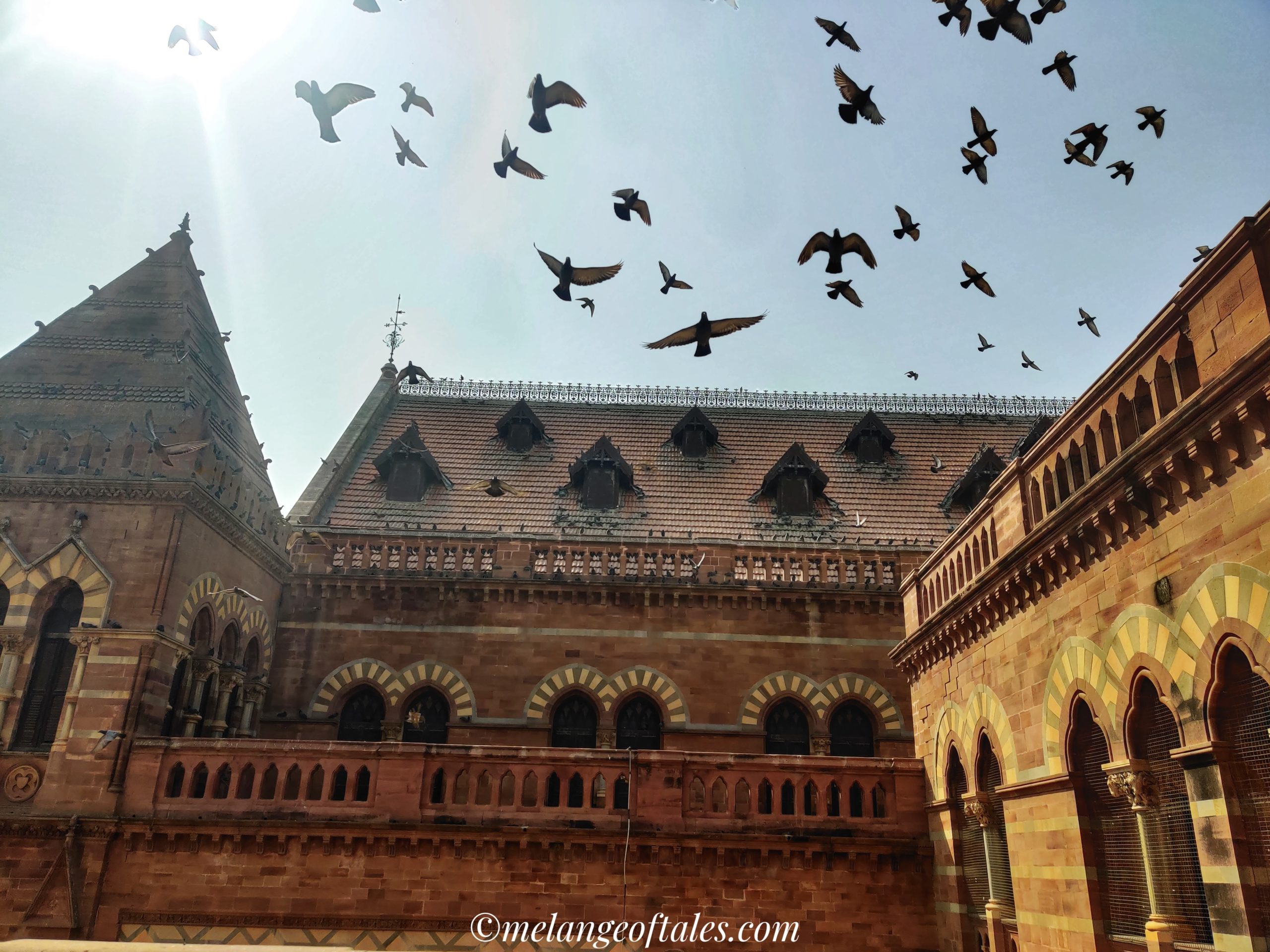
    Prag Mahal

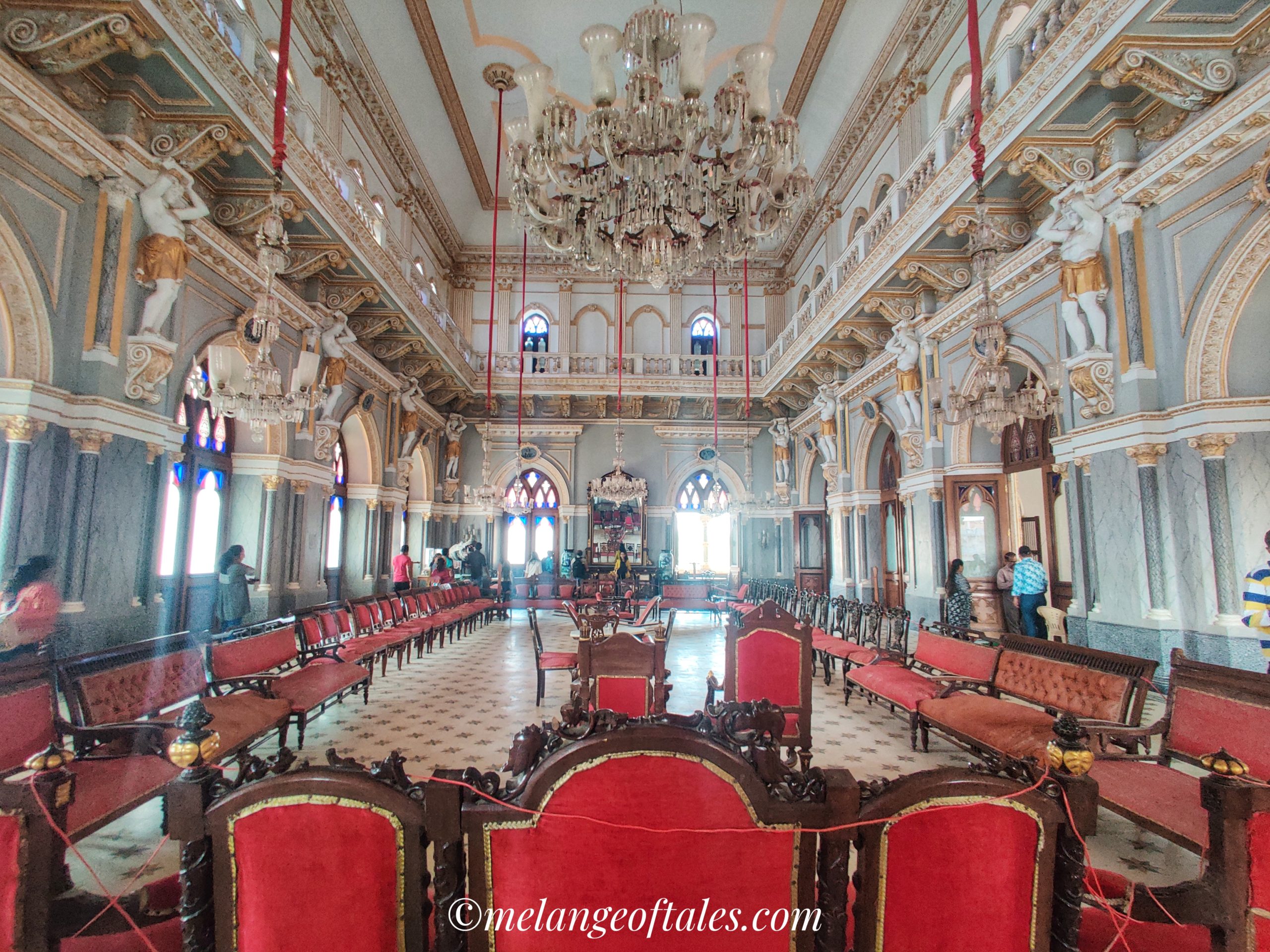
    It is a 19th century palace built in an Italian-Gothic style with an Indo-Gothic twist. During the 2001 earthquake the palace was severely damaged and later restored. There is a majestic darbar hall and clock tower which is not to be missed. The 45-foot clock tower in the palace is from where you will get to view the entire city of Bhuj.
    Visiting time: 9am-12pm, 3pm-6pm
    Ticket cost: Rs. 40
    Days open: All days except Thursday

    Durbar Hall
    Durbar Hall – Prag Mahal

    Aina Mahal

    The 18th century palace is located within the same premises as the Prag Mahal. This palace also got severely damaged during the 2001 earthquake and you can still see the traces of it.
    Visiting time: 9 am – 12 pm, 3 pm – 6pm
    Ticket cost: Rs. 20
    Days open: All days except Thursday

    Bhuj Chhatedi

    Chhatedi means Chhatri in Gujarati/Hindi which translates to ‘Umbrella’. ‘Chhatedi‘ here refers to the umbrella like structures over the buildings. These structures were constructed by the Jadeja rulers in the 18th century. All the chhatris are constructed over the samadhi of the Royal Family of Bhuj.
    Timing: 9 am – 6 pm
    Ticket cost: Nil

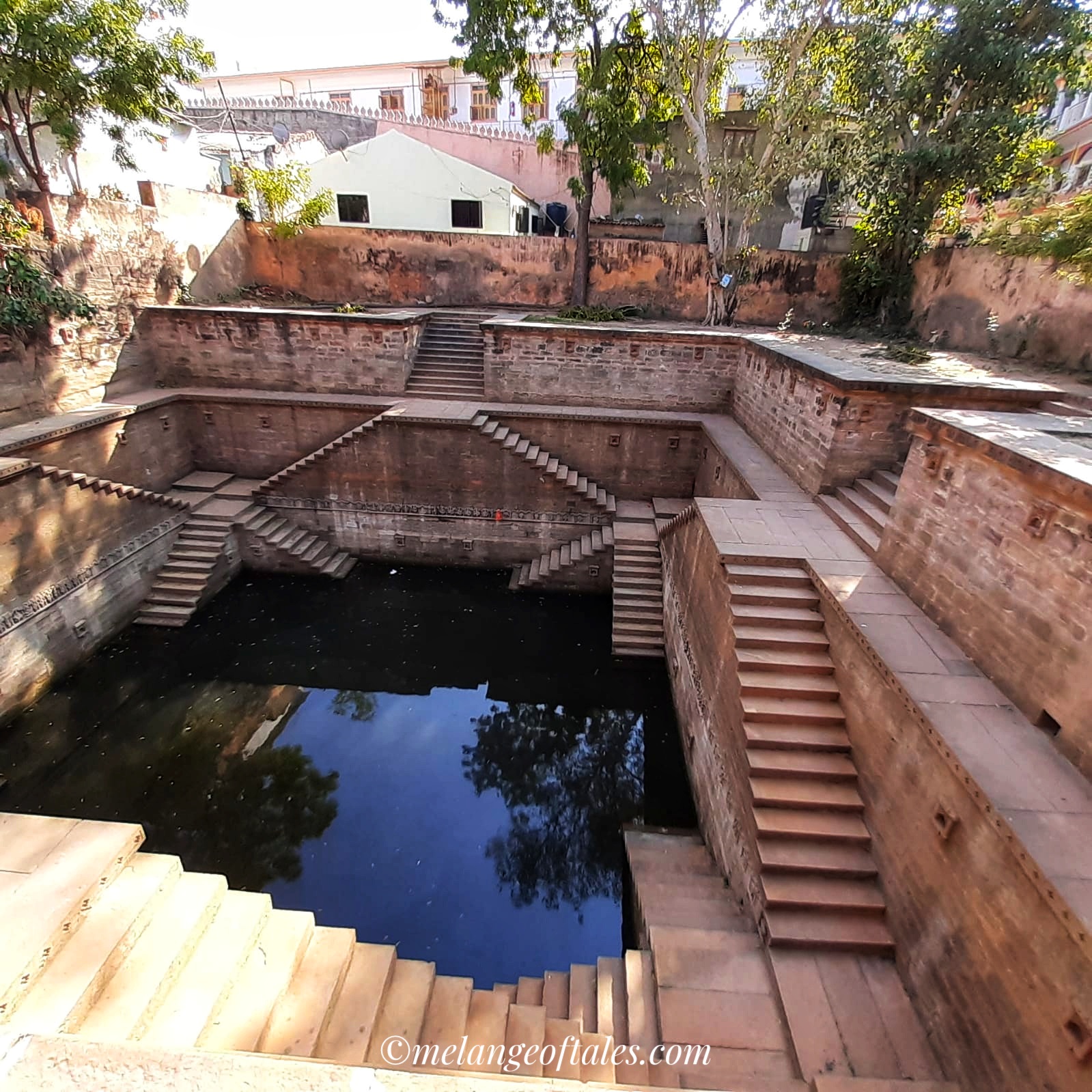
    Ramkund Stepwell

    This is a small stepwell located at walking distance from Kutch Museum. There isn’t much to see apart from the stepwell itself.
    Timing: 9am – 6pm
    Ticket cost: Nil

    RamKund
    Ram Kund

    Kutch Museum

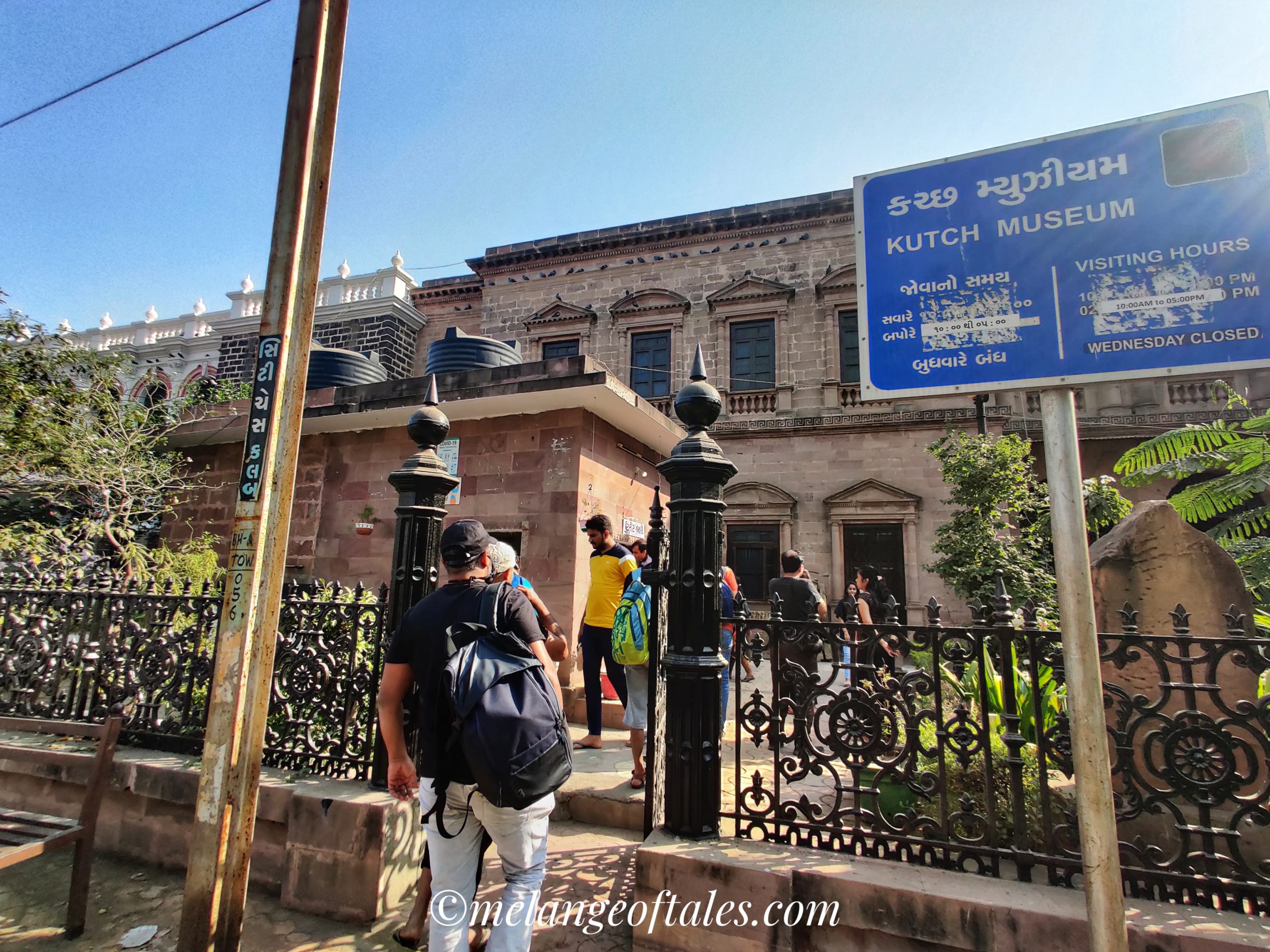
    It was established in the late 19th century, and it is said to be one of the oldest museums in Gujarat. The ground floor of the museum in Bhuj shows different tribes from in and around Kutch and their culture. The first floor has a collection of coins and artwork on cloth which is something to be noted.
    Timing: 10 am – 5 pm
    Ticket cost: Rs.5

    KutchMuseum
    Kutch Museum

    Swaminarayan Temple

    This is one of the temples that looks good from outside and feels good from inside. It is again at a walkable distance from the Kutch Museum.
    Timing: 5 am – 9 pm

    Bhujodi Vande Mataram Museum

    Bhujodi village is around 10 km from Bhuj city in Kutch. This place is known for its crafts and the Vande Mataram Memorial.
    The memorial educates us about India’s struggle for Independence. The Vande Mataram Memorial (museum) was constructed over 12 acres of land over a period of 4 years. You will be able to find a guide in Bhuj an Kutch if required.

    A laser show happens there everyday after sunset.
    Timing: 11 am – 6 pm
    Ticket cost: Rs.200/- (adult), Rs.50/- (child)
    Days open: All days except Monday

    Vande Mataram Memorial
    Vande Mataram Memorial

    Shopping in and around Bhuj

    What to shop from Bhuj?

    • Bandhani sarees, chudidars, koti, dupatta, tops
    • Kutchchi slippers
    • Ornaments
    • Purses and bags
    • Handicrafts
    • Keychains and much more

    Where to shop in Bhuj?

    Bhuj, Bhujodi, Ajrakhpur, Hodka, Kalo Dungar and Dhordo

    Prag Mahal wall
    On the way to the Durbar hall in Prag Mahal

    Apart from Bhuj and Bhujodi, one can visit Mandvi, Rann of Kutch and Narayan Sarovar Dam. The colours, people, culture and the places will keep wanting you to visit Kutch. There are so many places to visit in Kutch and to explore it to your heart’s content you might need at least a week.

    You have read my guide to Bhuj but have you read my Rann of Kutch post yet?
    Click here for the link.

    Click here to read my other blog posts from Gujarat.

  • Rann of Kutch – A Travel Guide to the White Desert

    Rann of Kutch – A Travel Guide to the White Desert

    Winter is the time for travel for many, especially to places that are difficult to enjoy during summers. Kutch is one such place which welcomes you during winters. The places, people, clothes, handicrafts are all exotic which by itself will want you to experience more of it. The word ‘Rann’ translates to ‘desert’ in Gujarati and Kutchi. Rann of Kutch is divided into 2 major parts –  the Greater Rann of Kutch and the Little Rann of Kutch area. The White desert lies in the former. My blog post ‘Rann of Kutch – A Travel Guide to the White Desert’ will want you experience something that is so amazing in this country of varied heritage and cultures.

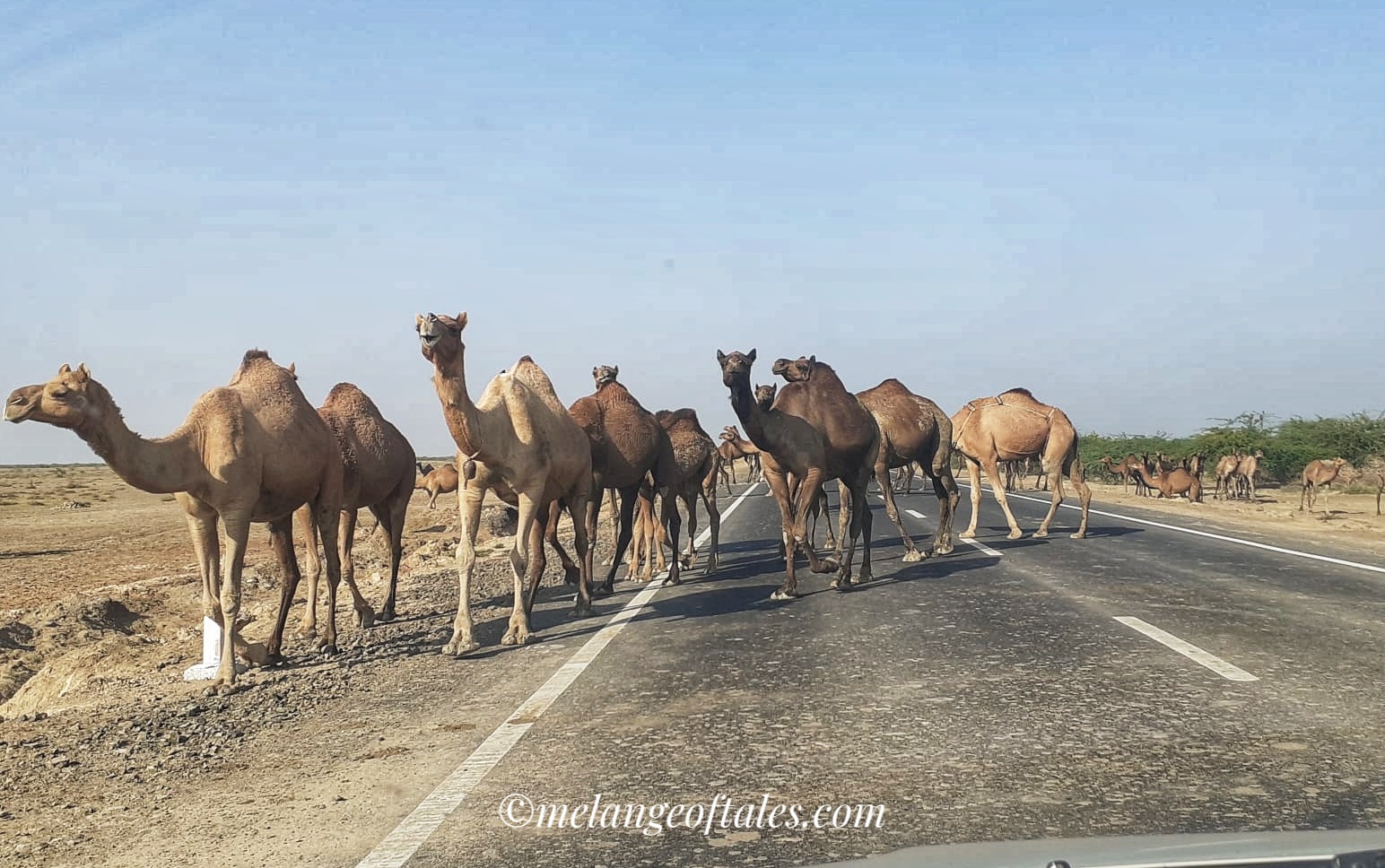
    Camelsonroad
    Camels on road

    What is the White Desert?

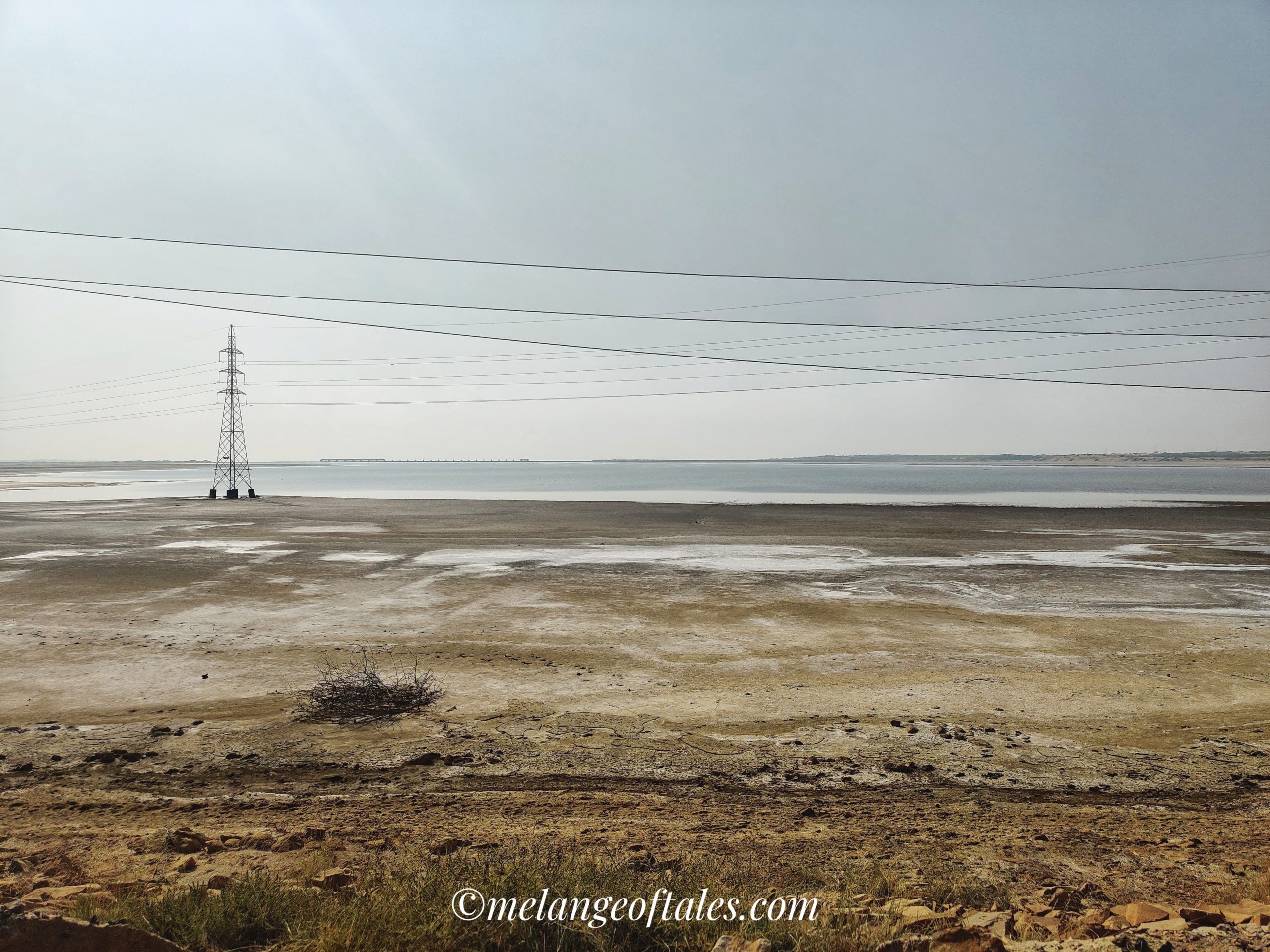
    The White Desert is nothing but giant salt marshes that get formed every year after the monsoon rainwater evaporates. This lies in the Greater Rann of Kutch. It is said that thousands of years ago this area used to be a portion of the Arabian Sea but due to geological uplift the land’s connection to the sea got disconnected. This has resulted in it becoming a shallow salt lake which turns into a salt desert once the water evaporates.

    White desert
    White Rann

    When to visit Rann of Kutch?

    Mid-Nov to February will be the best time to visit Rann of Kutch where the temperatures range between 12°C to 25°C. This is also when the Rann Utsav happens. During summers it is burning hot and visiting any desert is out of the question.
    Note: The salt will get crystalized in November but still you will see water patches in the marshland.

    How to reach the White Desert?

    First stop to reach the desert will be reaching the Bhuj town which is the capital of Kutch. You can board buses or hire cabs to reach Dhordo from Bhuj. There are few other places of interest on the way to the White Desert like Rogan Painting in Nirona, Kalo Dungar and India Bridge which can be visited as well.

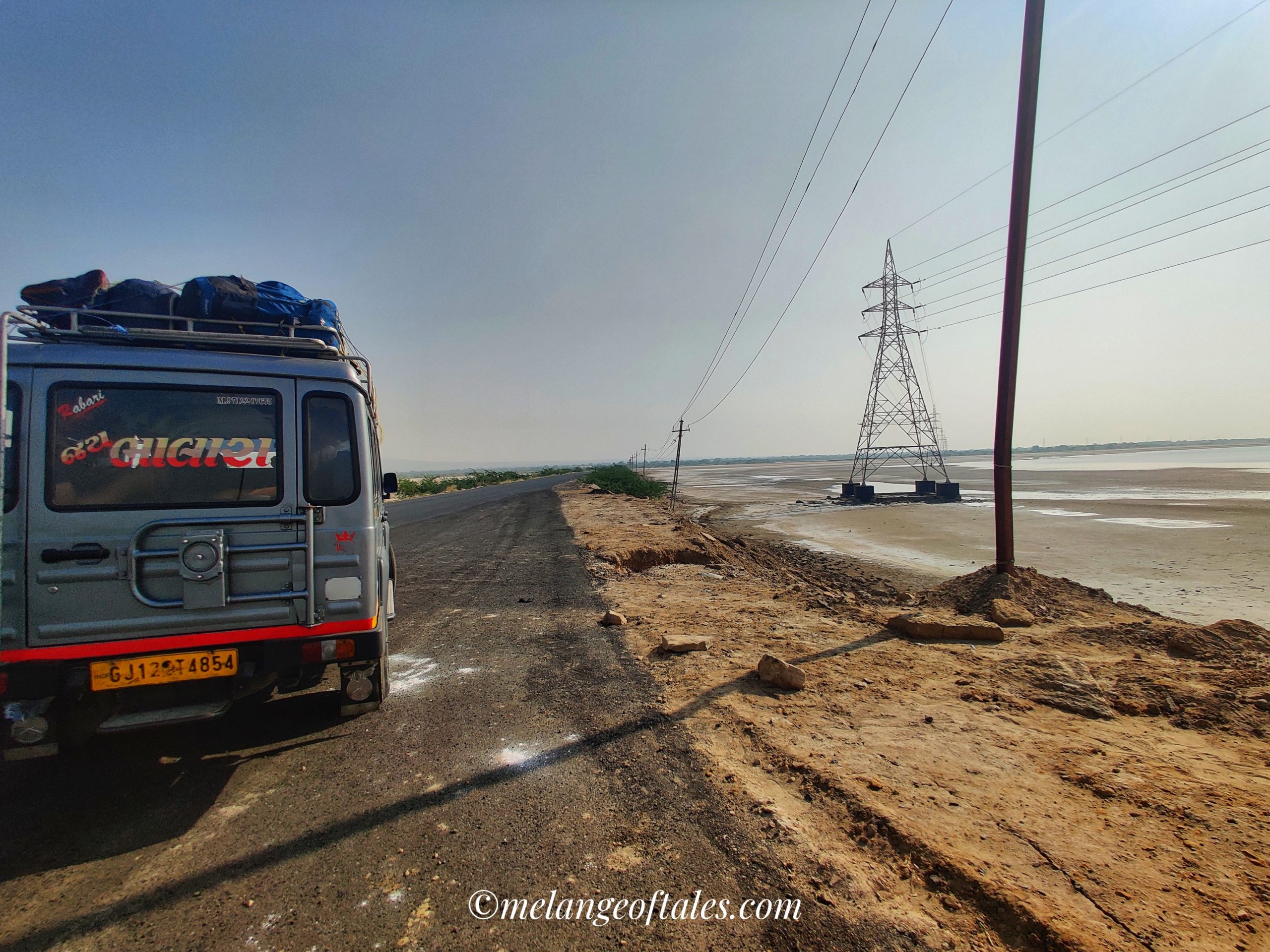
    People on road
    People of Kutch commuting

    Clothes to wear in Rann of Kutch

    You will find many people wearing colorful Kutchchi clothes in the desert especially the ones with Bandhani pattern. The nights and early mornings in Kutch get very cold especially in the winters. You will need to carry jackets, socks and anything that can keep you warm.

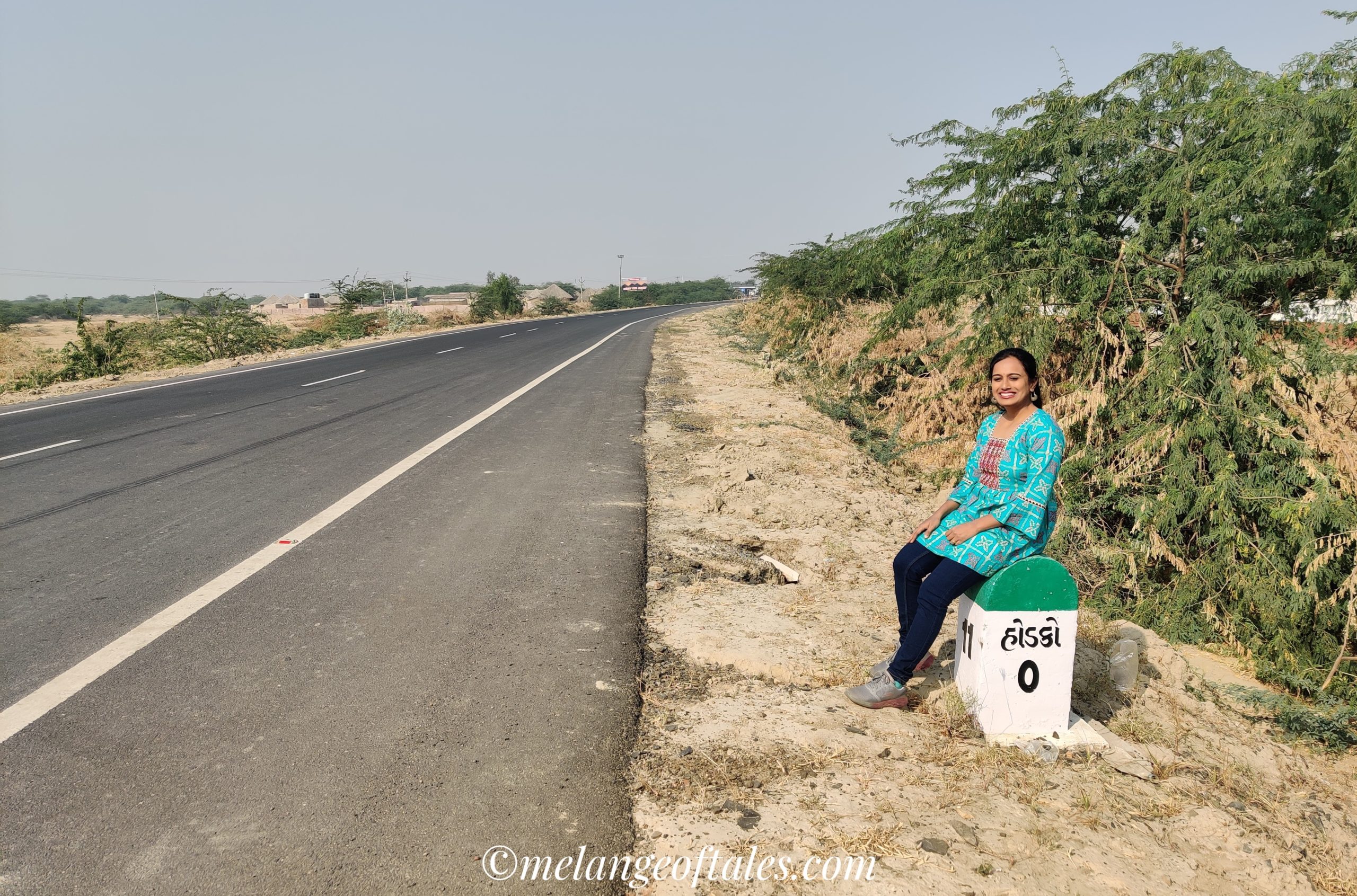
    Aarthy on road
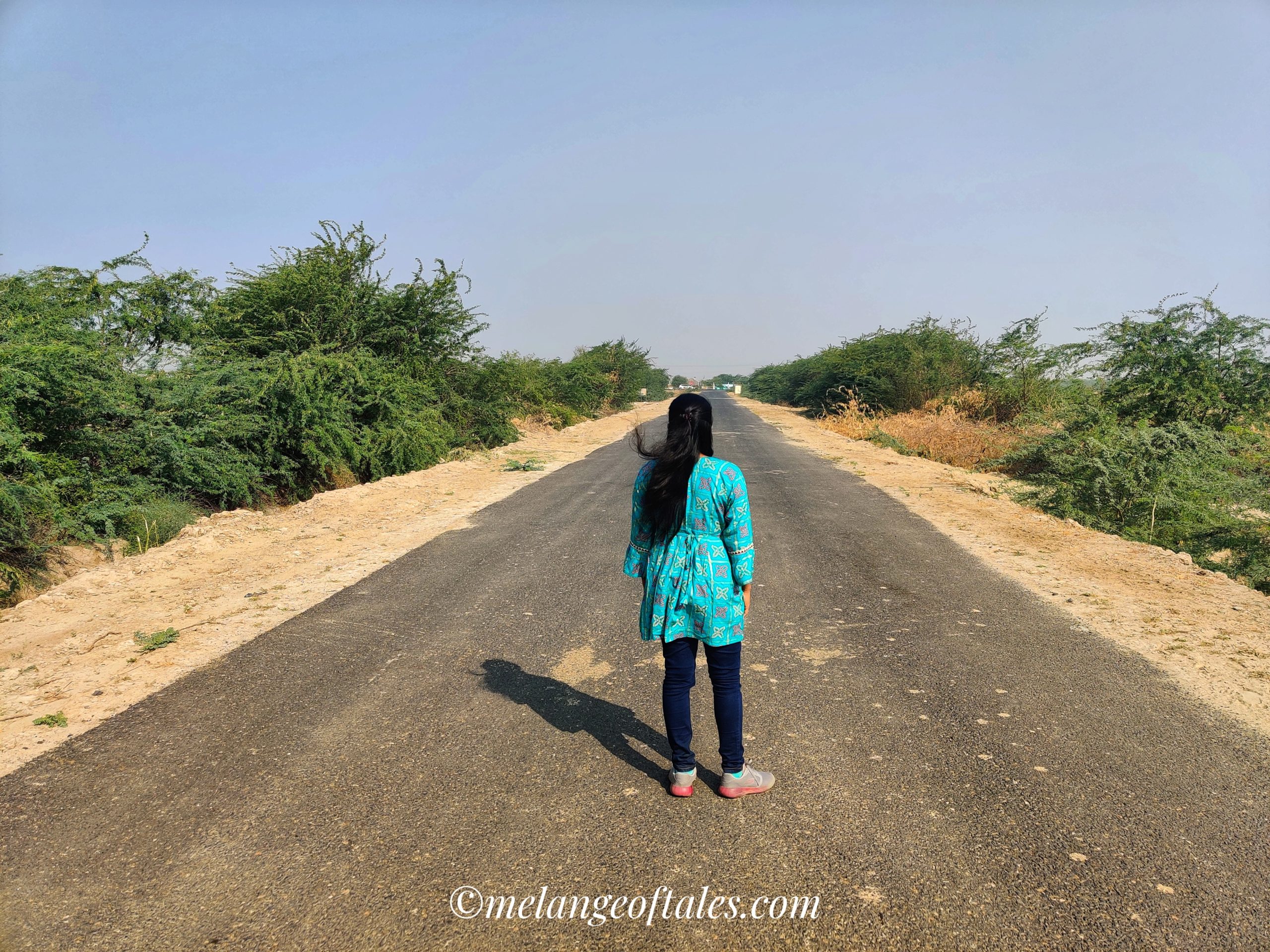
    Empty roads

    What to shop?

    • Bandhani sarees, chudidars, koti, dupatta, tops
    • Kutchchi slippers
    • Ornaments
    • Purses and bags
    • Handicrafts
    • Keychains and much more

    Where to shop?

    Bhuj, Bhujodi, Ajrakhpur, Hodka, Kalo Dungar and Dhordo

    Where to stay?

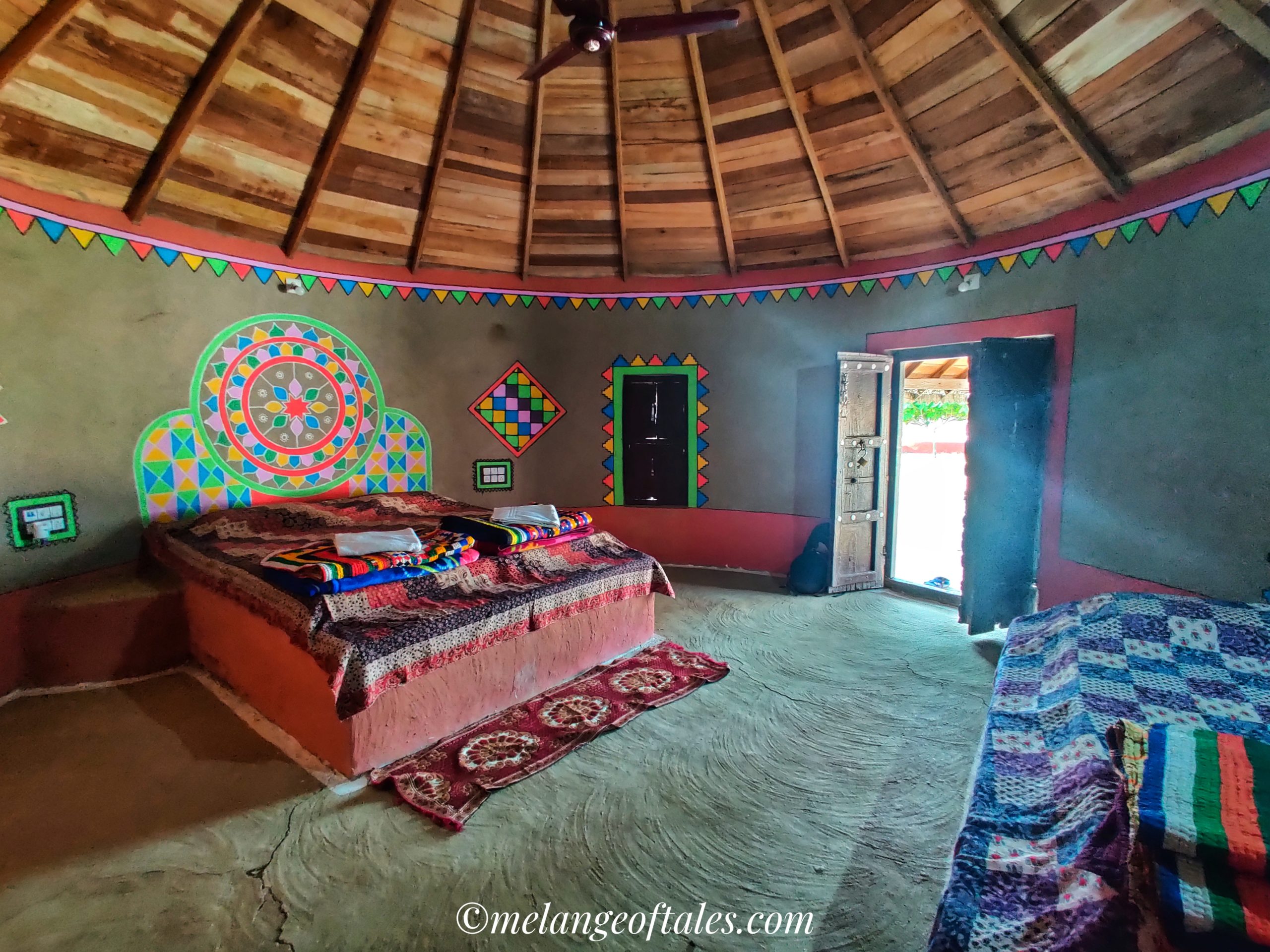
    If you are on a budget trip, then staying in Bhuj is the best option available. You can stay at mud houses in Dhordo or Hodka which is what I did. There is a government Rann Utsav Tent City (put up between Nov-Feb) in Dhordo which is very expensive, but comes with access to exclusive activities, cultural programs and shopping.

    Mud house in Hodka
    Mud House in Hodka
    Hodka Mud house
    Mud House

    What are the places to visit in Rann of Kutch?

    Kalo Dungar (Black Hill)

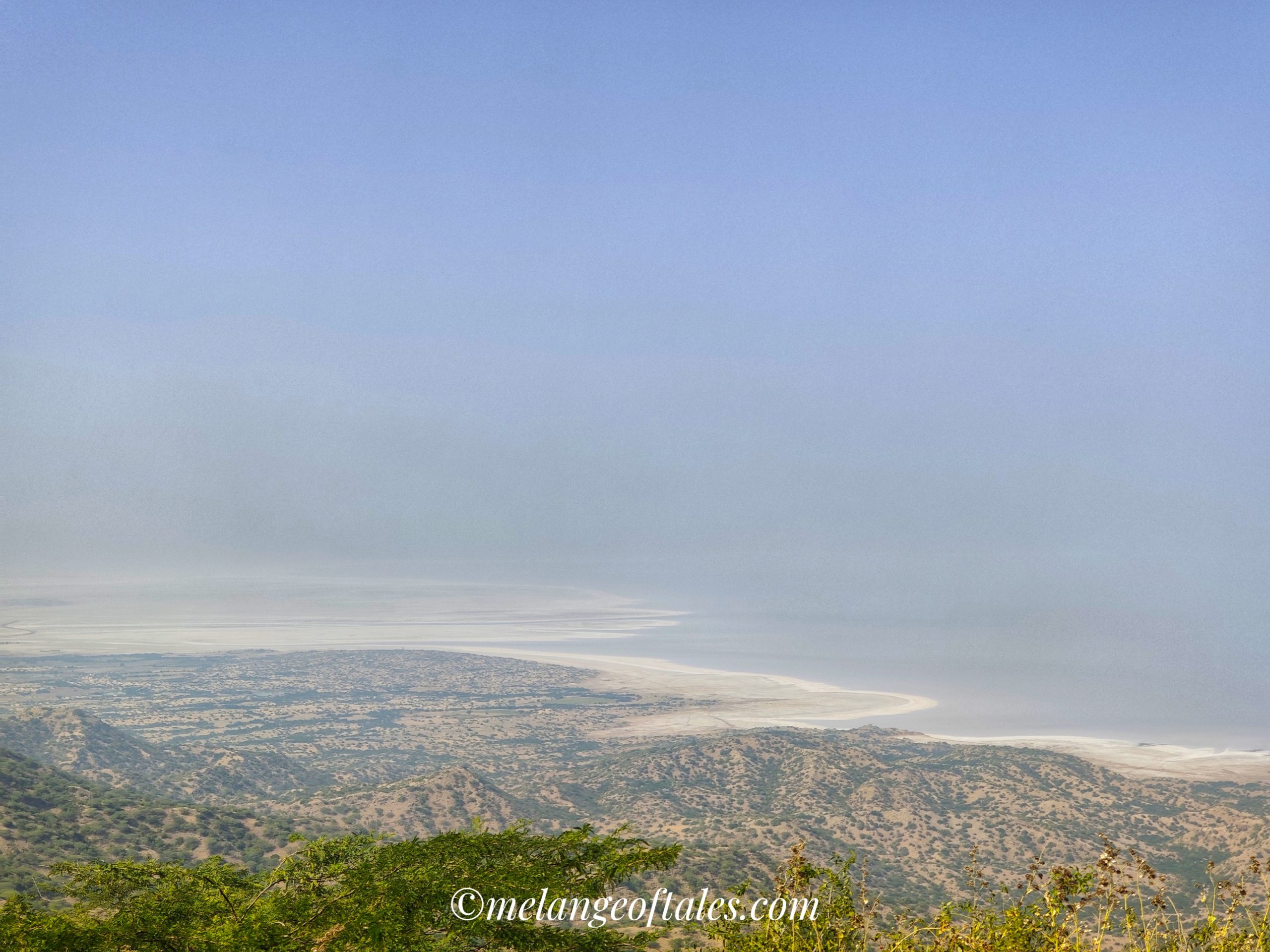
    Kalo Dungar is the highest point in Kutch from where you will get the view of the entire White Desert. It is located at 90 km from Bhuj and takes approximately 2 hours to reach. The fun part about Kalo Dungar is the slopy roads which will give you an adrenaline rush. There won’t be a need for the driver to press the accelerator. ?

    Kalo Dungar View Point
    Kalo Dungar View Point

    India Bridge

    India Bridge is just a bridge with salt desert on both the sides. You can reach India Bridge any time before 5.30 pm without a permit. There is nothing more to see at the bridge apart from acknowledging the fact that you are very close to Pakistan. India Bridge is at 17 km from Kalo Dungar and 80 km from Bhuj.

    If you want to visit Indo-Pak border at Vighakot which is 70 km further from India Bridge you will have to get permission at least 10 days before from the Bhuj DSP office. Photography is strictly prohibited 500 m from the India Bridge check post.

    White Desert

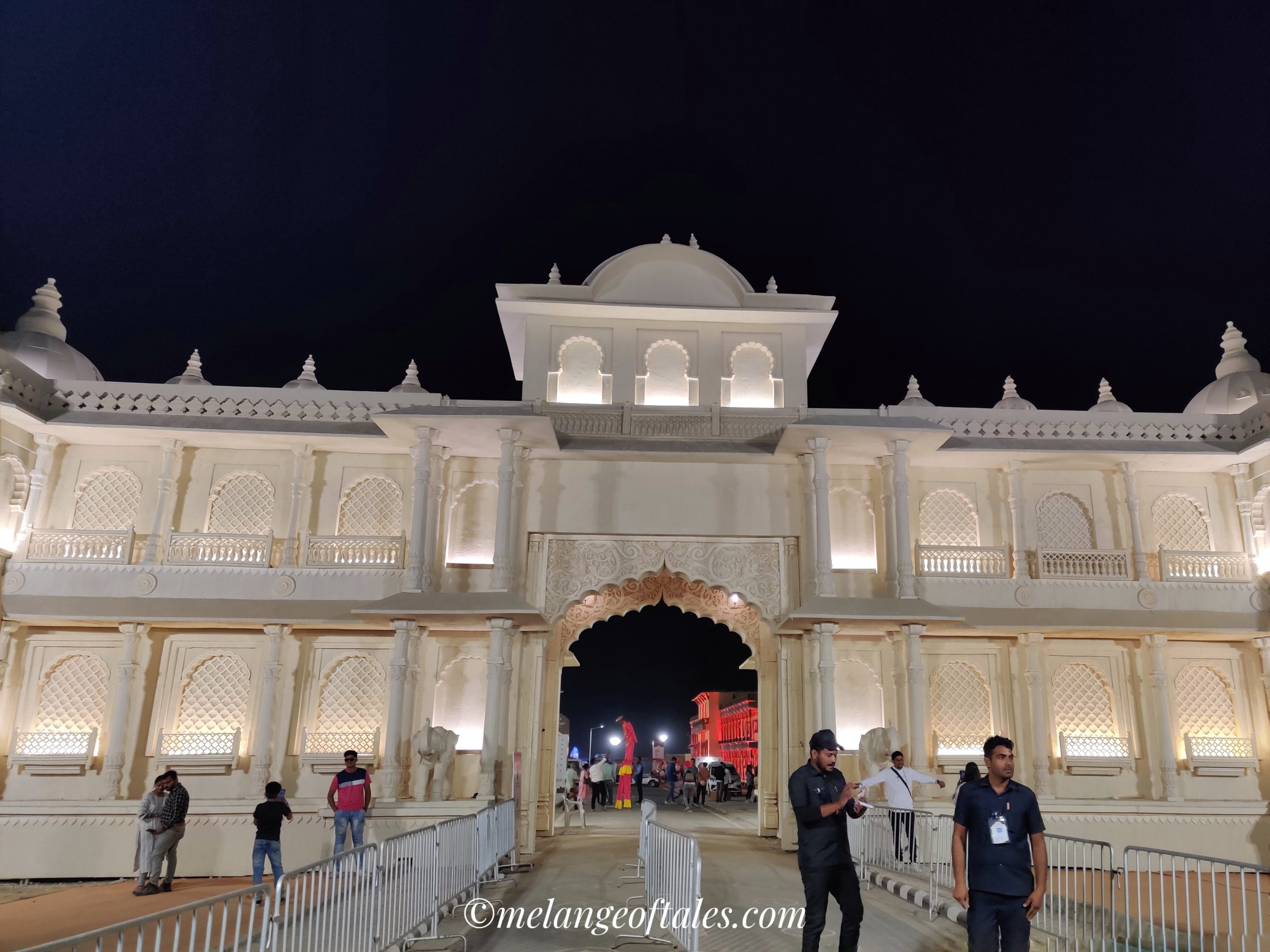
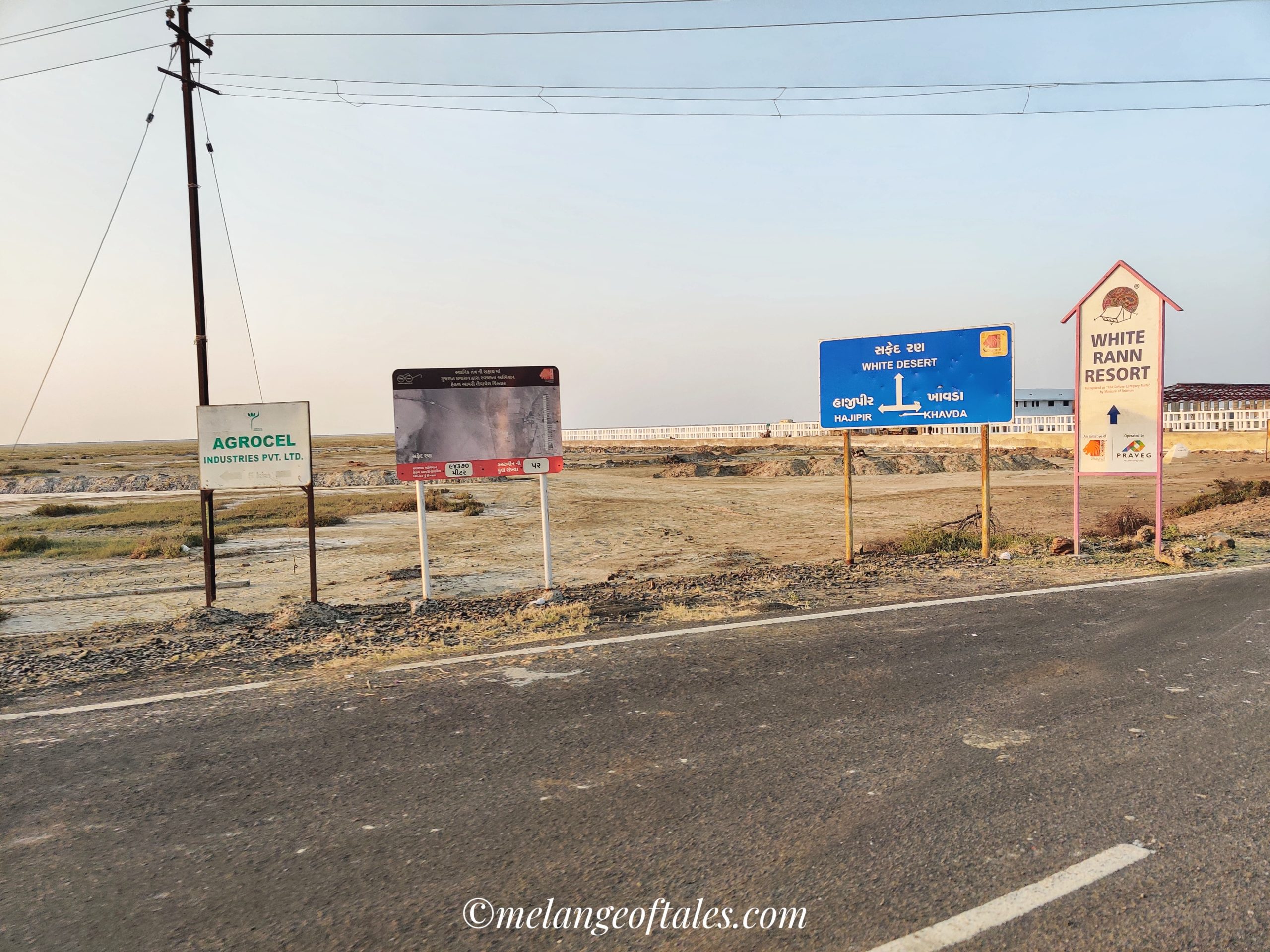
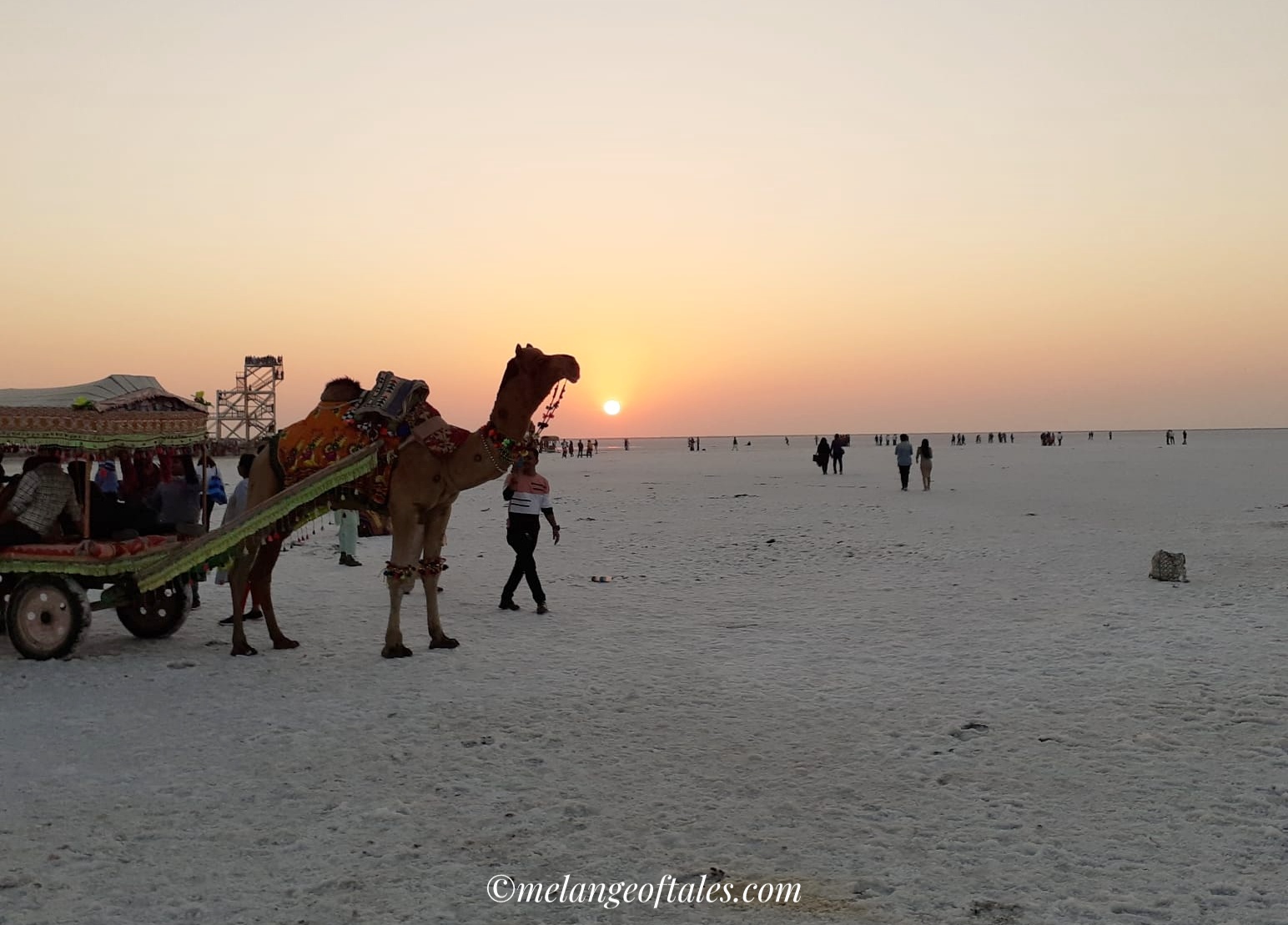
    Dhordo is approximately 80 km from Bhuj and it is where the Rann Utsav takes place and also where the Tent City will be located. Permits have to be gotten either online from https://rannpermit.gujarat.gov.in/ or offline at the place where the Utsav happens. You will find many stalls offering different items to be sold. You can comfortably take a camel ride in the desert.

    Camel ride
    Camel ride in White Rann

    Permit Cost:
    Adults (above 12 years) – Rs.100/-
    Kids (6 to 12 years) – Rs.50/-
    Two and four-wheeler vehicle – Rs25/- and Rs.50/- respectively.
    You will have to show original ID proof of at least one member when in a group.

    Rogan Art

    It is an ancient textile art having its origin in Persia. The centre for Rogan Art is in Nirona, Kutch. It is the only place in the world where you will find this. The art is living because of the last Rogan Art artists’ family called the Gafur Khatri family.

    Notes

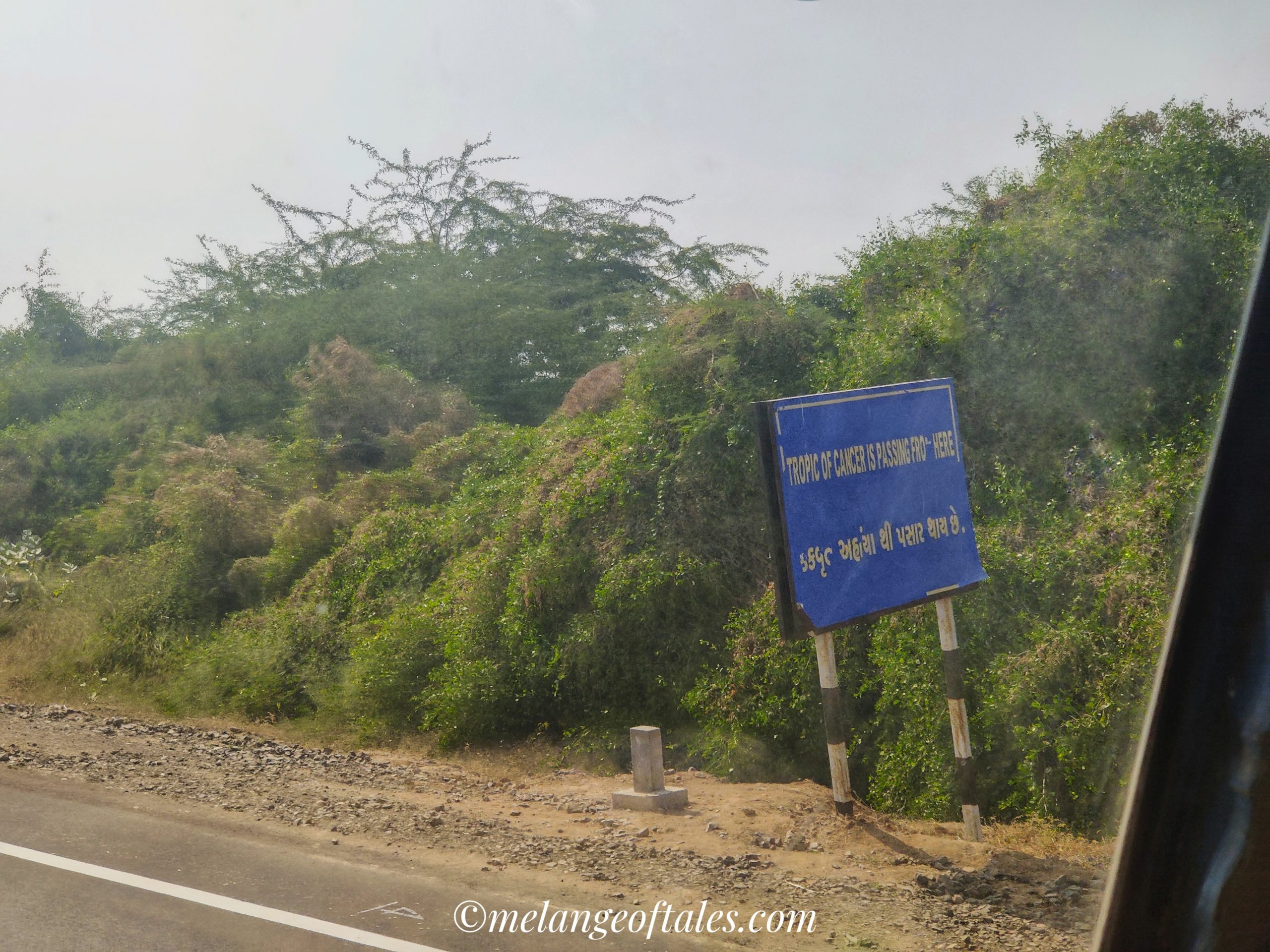
    • The Tropic of Cancer passes through Kutch. You will see a sign board signifying that on the way to Dhordo.
    • Little Rann of Kutch lies around 350 km from Bhuj, towards Ahmedabad. It is known for its wildlife and birds.
    • People of Kutch, especially Kutchi women have so many different looks which you would have never seen before. They are mostly shy. If you want to click pictures do make sure to ask their permission.

    Rann of Kutch is an interesting place and when in Gujarat it is something that is worth visiting.

    Click here to read my other blog posts from Gujarat.

  • Must Read Guide to Champaner & Pavagadh in Gujarat

    Must Read Guide to Champaner & Pavagadh in Gujarat

    Champaner and Pavagadh are located in the Panchmahal district of Gujarat which is 45 km from Vadodara. The ruins of Champaner are known for their 16th century monumental mosques with an Indo-Islamic architecture. It is located at the base of the Pavagadh hill which is known for the Mahakali Temple. Champaner – Pavagadh Archaeological Park became a UNESCO World Heritage Site in 2004. This blog post will give you all the reasons to visit this marvel, especially if you are interested in Indian History.

    Why to visit Champaner?

    If you are someone who is interested in Indian history like me, then these ruins will be one of your places of interest.

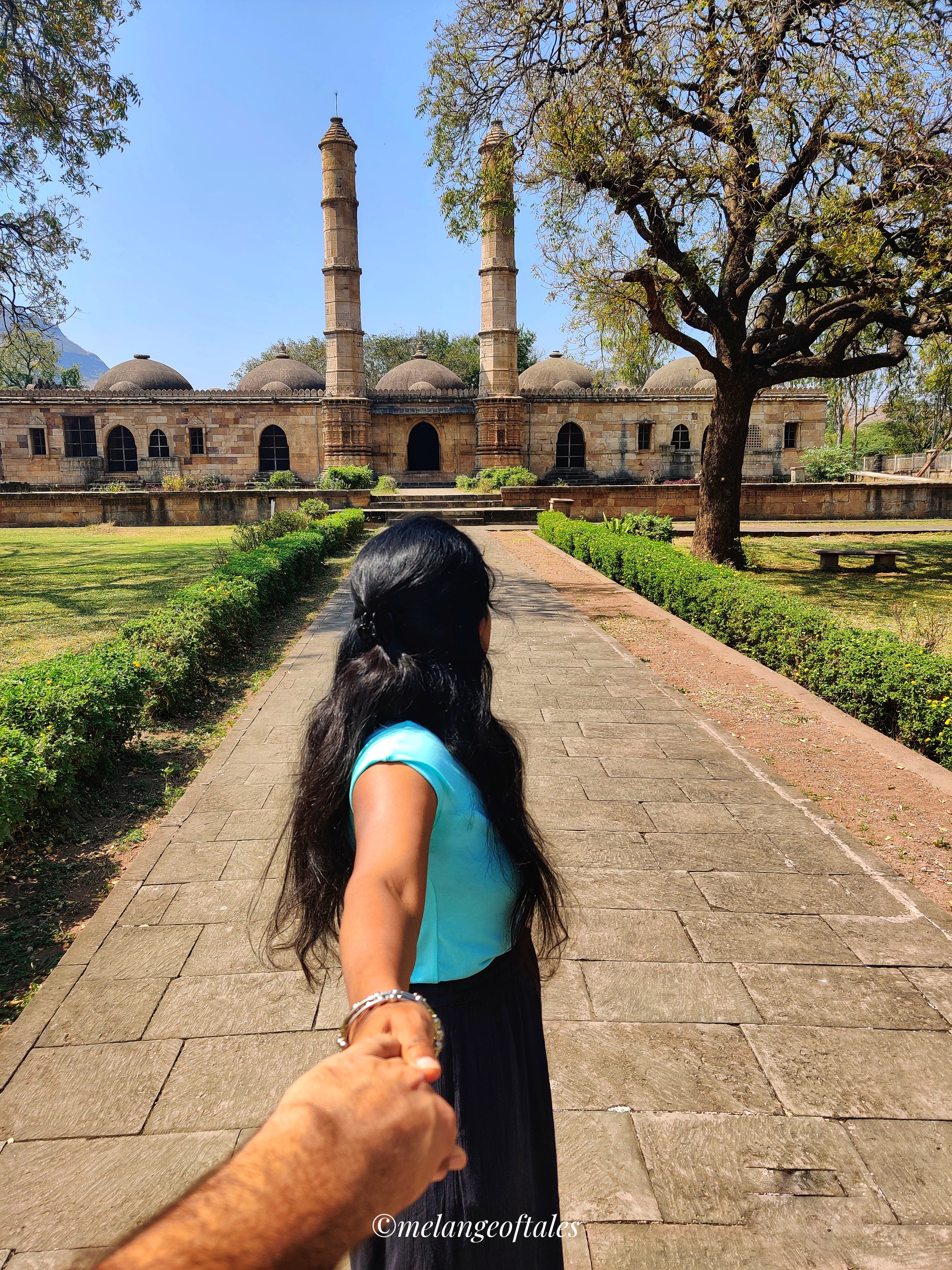
    Jami_masjid_Aarthy
    Hello from Jami masjid

    A Short History of Champaner

    The Rajputs had established themselves in the Pavagadh region in the early 14th century. The Gujarat Sultanate under Mahmud Begada overthrew the Rajputs in the Champaner region in the late 15th century, making Champaner as their capital from Ahmedabad. The Mughals under Humayun captured Champaner in 1536, reverting Ahmedabad as the capital of Gujarat. This short-lived capital of the Gujarat Sultanates fell into ruins.
    How to reach Champaner?

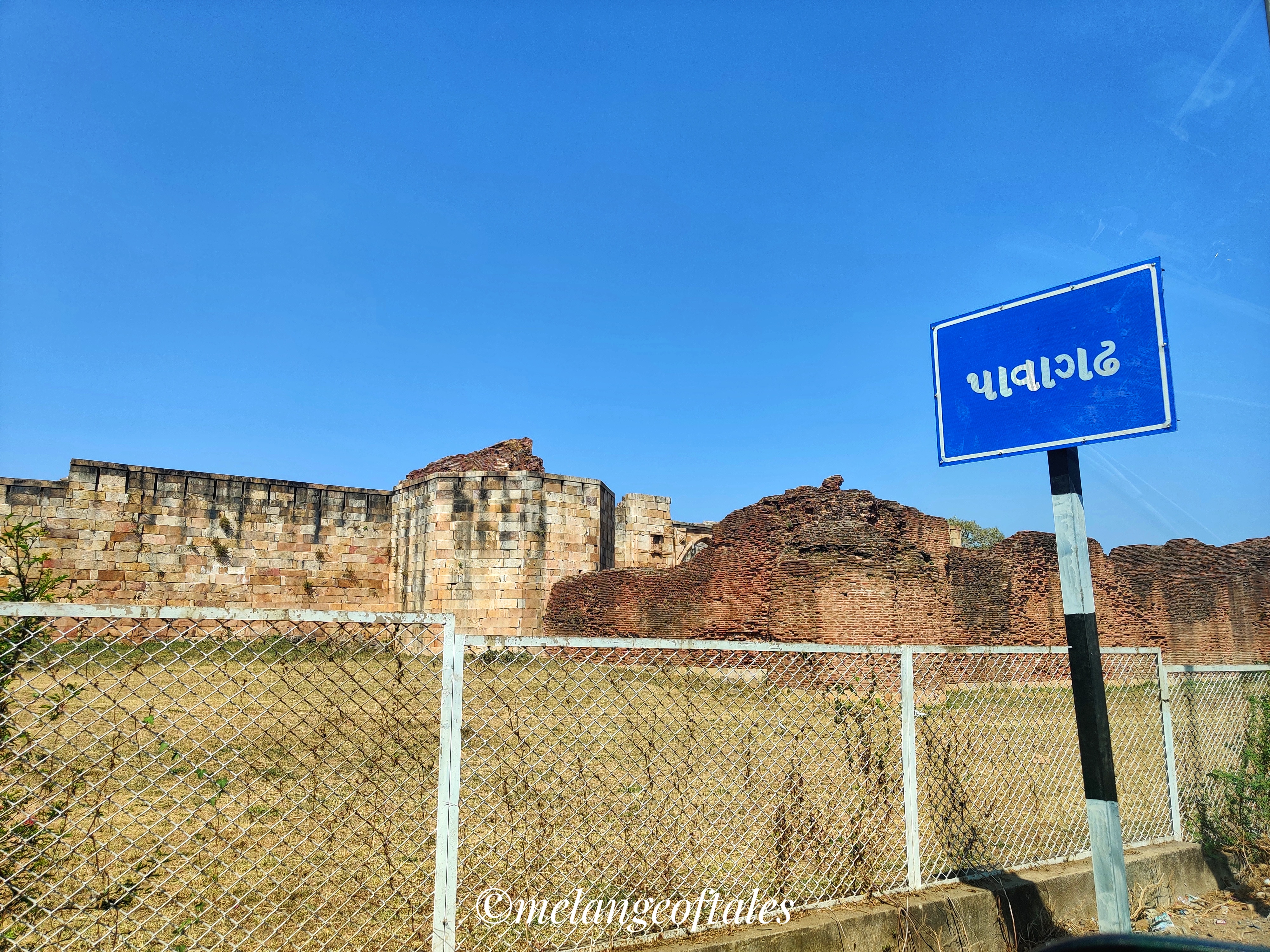
    Champaner is at a distance of 45 km from Vadodara. You will get buses from the Vadodara Central Bus Station to Pavagadh every 30 minutes. The ancient city of Champaner lies right opposite to the Pavagadh bus station.

    Pavagadh in Gujarat
    Pavagadh Sign Board

    Where to stay in Champaner?

    Stay options at Champaner-Pavagadh Archaelogical Park are very minimal and are at least 6-10 km away from the ruins. Below are few of the basic stay options available online
    1. OYO 28248 Hotel Balaji Inn
    2. OYO 80228 Hotel Richa
    3. OYO 80729 Hotel Deep
    You will find other stay options not listed online, when you are on Halol-Pavagadh road.

    When to visit Champaner?

    I would suggest monsoon and winters to visit the ancient city and Pavagadh temple. I visited in the month of March and it was blazing hot till the sun had set.

    How to commute within the Champaner town?

    There are shared autos available within the ancient city. The auto stand is right opposite to the bus stand as soon as you enter the ancient city.

    Champaner_first_Wall
    Champaner Entrance

    How to visit the Pavagadh Kalika Mata Temple?

    There are shared cabs available that will take you up to the hill. You will have to either take the stairs (average time taken by stairs: 1-1.5 hours) after reaching the car parking spot or you will have to take the cable car to reach the temple.

    Note: Even if you reach the temple area by a cable car, you will have to take stairs and climb for 20-30 mins for the final ascent to the shrine.

    Monuments I visited in Champaner

    I got to know from a security guard in one of the monuments that there are around 49 monuments within a radius of 5 km in Champaner. I got a chance to visit Jami Masjid, Shahar ki Masjid, Vada Talav, Khabutar Khana, Sat Manzil, Nagina and Kevada masjids.

    You will have to pay an entry ticket of Rs. 40 (offline) or Rs. 35 (online) to enter Jami Masjid and Shaher ki Masjid.

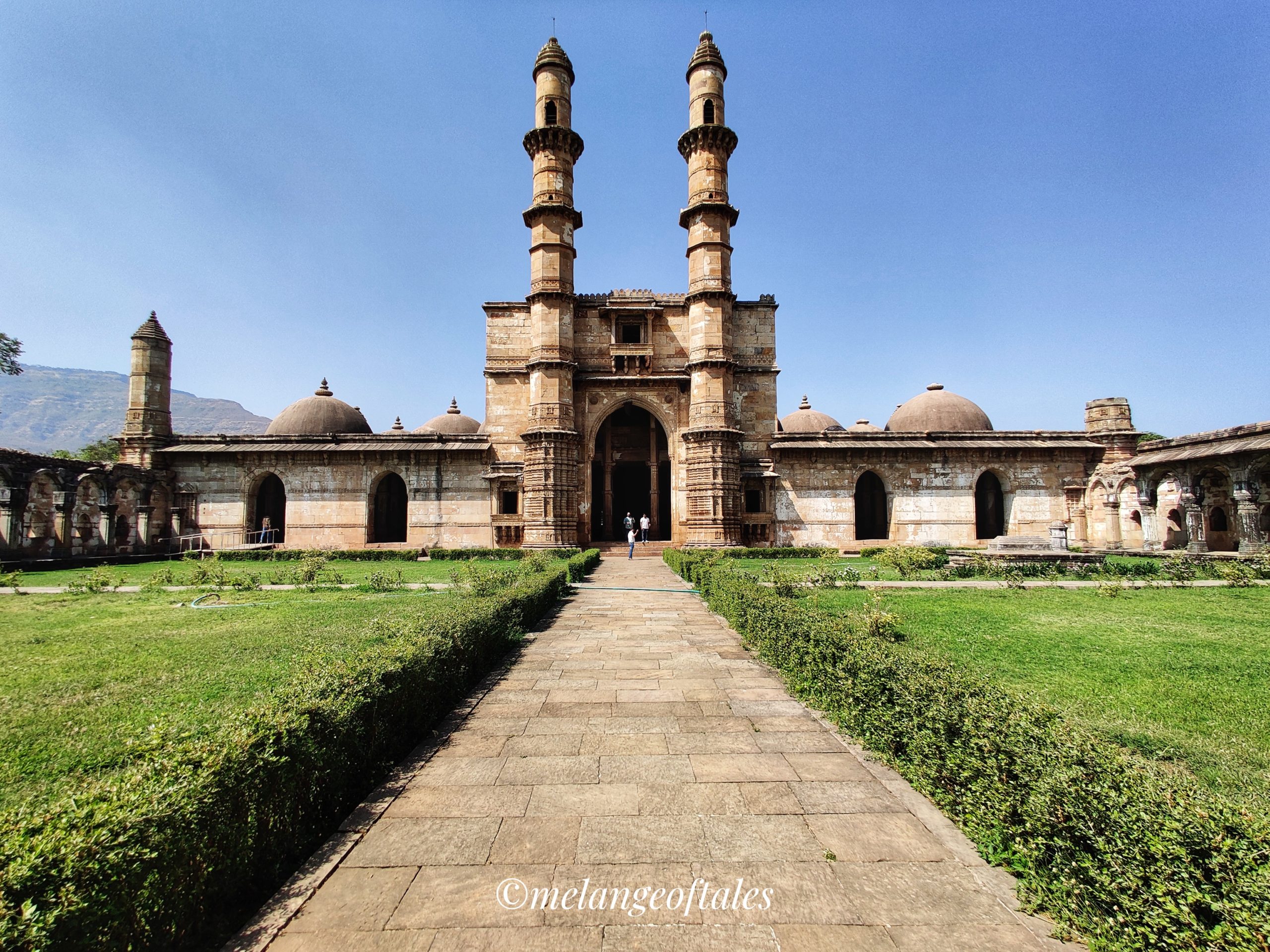
    Jami Masjid in Champaner

    It is the biggest and the most famous mosque in Champaner. A visit to Champaner-Pavagadh Archaeological Park is incomplete without visiting this mosque. The Indo-Islamic Architecture of the Gujarat Sultanates is said to be the stimulus behind constructing many such monuments by the Mughals.

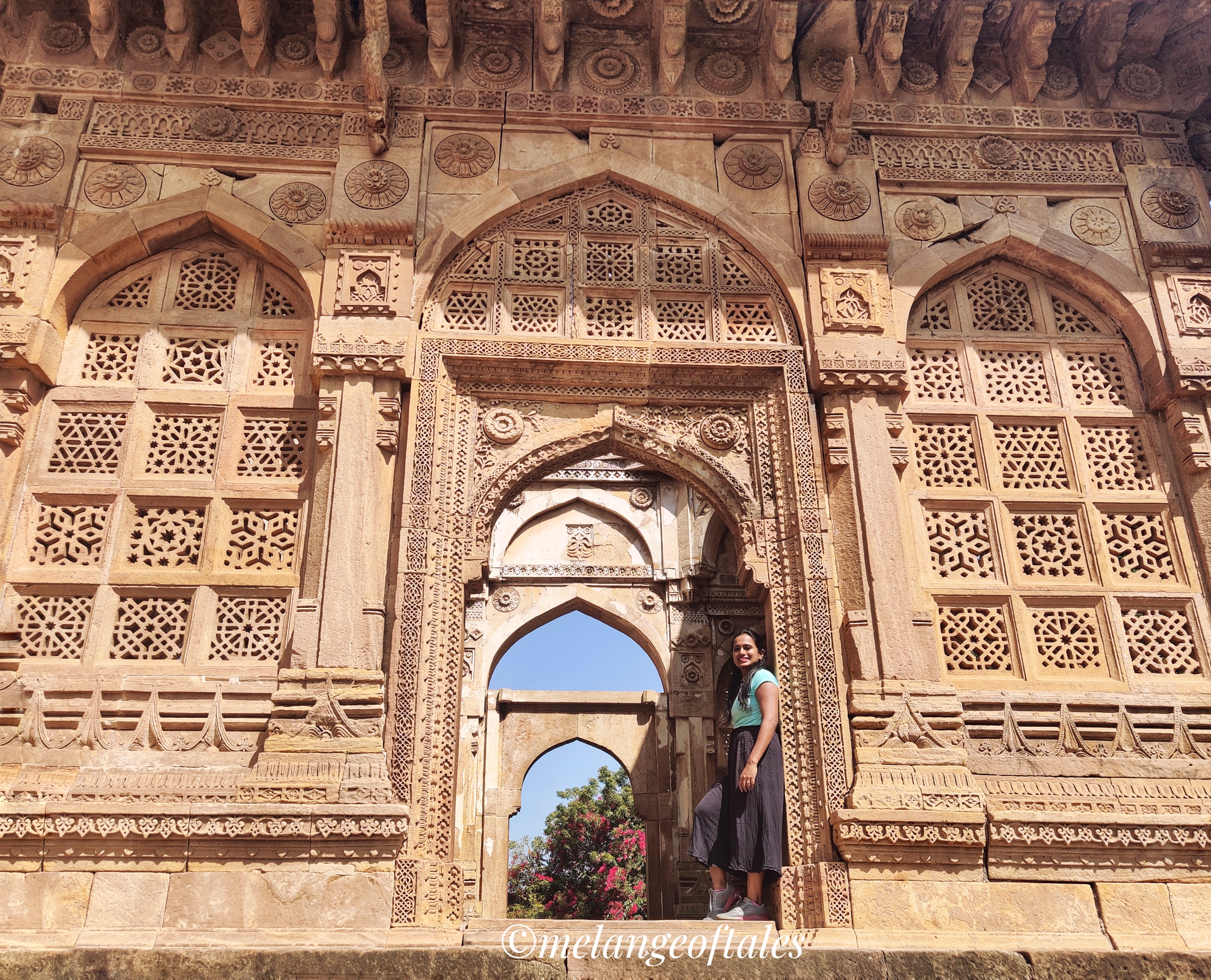
    The intricately carved domes, stone pillars, minarets and the fine stone jalis will definitely grab your attention. I had spent at least 2 hours in Jami masjid.

    You can hire a guide for Rs.300 (25 mins of explanation) to know about the masjid that Google can’t tell you.

    Shaher ki Masjid

    This was a smaller masjid compared to Jami and this is the first masjid you will easily encounter as soon as you enter the city.
    The guide charges Rs.100 for 10 mins of explanation.

    Shaher ki masjid
    Shaher ki Masjid

    Kevada Masjid

    This is a quite masjid that is present in the forests of Champaner. You will have to cross Kevada to reach Nagina. I was freaking out seeing just my husband and me, driving down into the forests with no one in sight. It was a relief when I saw the board of Kevada masjid and a security guard standing in.

    Kevada_masjid
    Kevada Masjid

    Nagina Masjid

    This was quite far from the rest of the masjids and the way to Nagina Masjid gave an eerie feeling. It was just my husband and me driving down the eerie mud roads covered by thorny plants on both the sides of the road.

    As soon as we reached the masjid, we saw 2 security guards surprised seeing someone visit the masjid which is far from the other monuments. While talking to them we came to know a lot about Champaner, the Pavagadh hills and leopards that live near the area that surrounds the masjid.

    The tourist time to visit the monuments is between 10 am – 6 pm but in Nagina the time is only till 3 pm because the leopards come down once the sun is hidden behind the hills. Since the guards have spotted the leopards many times, they always try to leave early from their shift, when it comes to Nagina.

    It was about 1.30 pm when we planned to leave Nagina masjid. The security guards suggested us to have lunch and then leave to Pavagadh Kalika Mata temple and after returning from the temple, to go to Vadatalav lake and Kabutar Khana during the sunset.

    Pavagadh Temple and Trek Experience

    We drove to Kalika Mata temple at the top of the Pavagadh hill from Champaner. The roads were butter smooth. We also visited few more ruins like Sat Manzil which was on the way to the temple.

    Mahakali temple is said to be at least 1300 years old. It comes under one of the 51 Shakti Peethas. During Navaratri, the temple is said to be flooded with people.

    We decided to take the rope car to reach the top of the hill, after which we had to climb 250 odd steps to reach Kali Mata’s shrine. I am attaching the ticket price list from the ticket counter below. While returning back from darshan, we saw a queue to go down the hill via rope car. The wait time was at least an hour and hence my husband and I decided to take the stairs down even though we had the return ticket. Our descend took us 50 minutes.

    Pvagadh_birds_eye_view
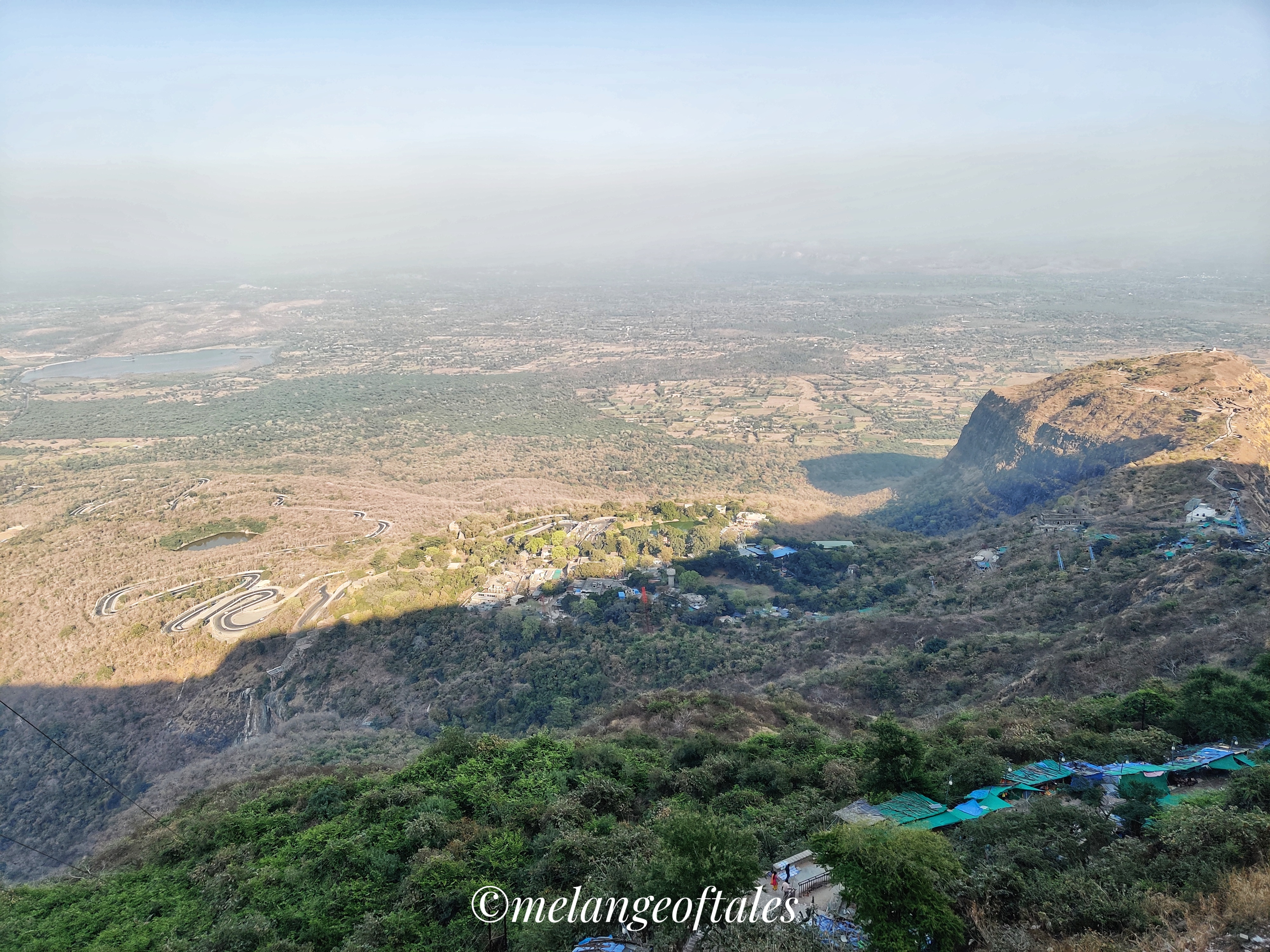
    Bird’s-eye view from hill top

    Fun fact: I had the best lime soda in my life while walking towards the Goddess’s shrine. I loved it so much, that I decided to have 3 of those in an hour at various intervals.
    Pavagadh Temple timings: 6am – 12pm and 3pm – 7pm

    Pavagadh_temple_top
    On the way to the shrine

    Vadatalav lake and Kabutar Khana

    After we descended down the hill, we decided to get ourselves revitalized by the evening breeze of Champaner. The lake and Kabutar Khana were the right place for us to do that and they were opposite to each other.

    Kabutar_khana
    Hardly any kabutar (pigeon) on a weekend

    We left from Champaner-Pavagadh Archaeological Park at around 6 pm in the evening and headed back to Vadodara.

    Points to note:

    – If you plan to explore the region, ensure you are fit to walk long distances.
    – Unless you have brought your own food, finding places which serve food is difficult. We had to travel 7-8 km away from the ruins for lunch.
    – We explored only few monuments but it is upto you on how many monuments you would want to visit and how long to stay.
    – Beware of leopards and make sure you don’t get into the forest area alone especially when it starts to turn dark.

  • Vadodara – A Travel Guide to Gujarat’s Cultural Capital

    Vadodara – A Travel Guide to Gujarat’s Cultural Capital

    Vadodara is a city close to my heart. I love the vibe of it, the people, food, language, culture and the way how all festivals are celebrated in this city. Vadodara and Baroda are one and the same. It is the third largest city in Gujarat which is 132 km away from the state capital Gandhinagar. I have been visiting Baroda every year from the year 2020 and every time I visit I experience something new. In this blog post ‘Vadodara – A Travel Guide to Gujarat’s Cultural Capital’, I will provide you with detailed information on things to see, eat and experience in Vadodara based on my experiences here.

    Vadodara gate
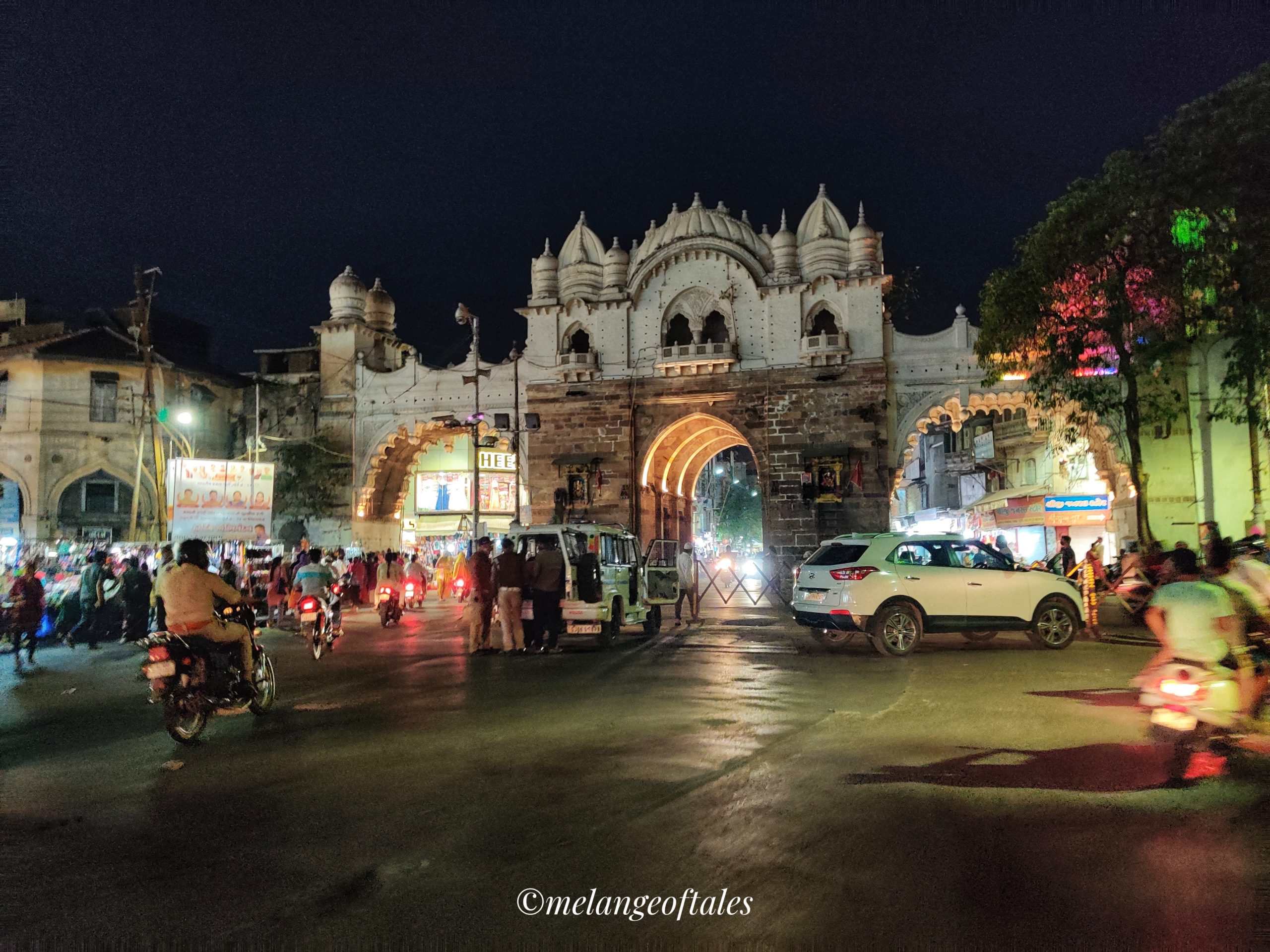
    Colorful city gates

    Short History of Vadodara

    ‘Vad’ in Gujarati translates to Banyan and the city is said to have umpteen number of Banyan trees since ages and hence the name ‘Vadodara’. The city was the capital of Maratha Gaekwads who started ruling the region from early 18th century. During the 18th century when the Britishers entered India in order to trade, they found the name difficult to pronounce and hence they made it Brodera which eventually became Baroda. The city was renamed to its original name ‘Vadodara’ in 1974.

    How to reach Vadodara?

    If you are travelling from the Southern part of India, flight would be the only option, unless you are willing to spend 30+ hours in the train. You can either directly land at Vadodara or land at Ahmedabad and then board a bus to Vadodara which will come out to be a bit cheaper. There are buses available every 15 minutes from Gita Mandir New Bus stand in all ranges, starting from Rs.86 up to Rs.200.

    Mumbai to Baroda: 5-6 hours by train and 7-8 hours by bus, in 2 years you can even travel via bullet train that is being built as of 2025 January. The travel time in the bullet train to Baroda will be about an hour.
    Delhi to Baroda: Either board a flight to Ahmedabad (and then Ahmedabad-Baroda bus route) or a direct flight to Baroda itself.

    Where to stay?

    I have filtered the search results for you. Click here for suggestions on places to stay.

    Day 1 in Vadodara

    Lakshmi Vilas Palace

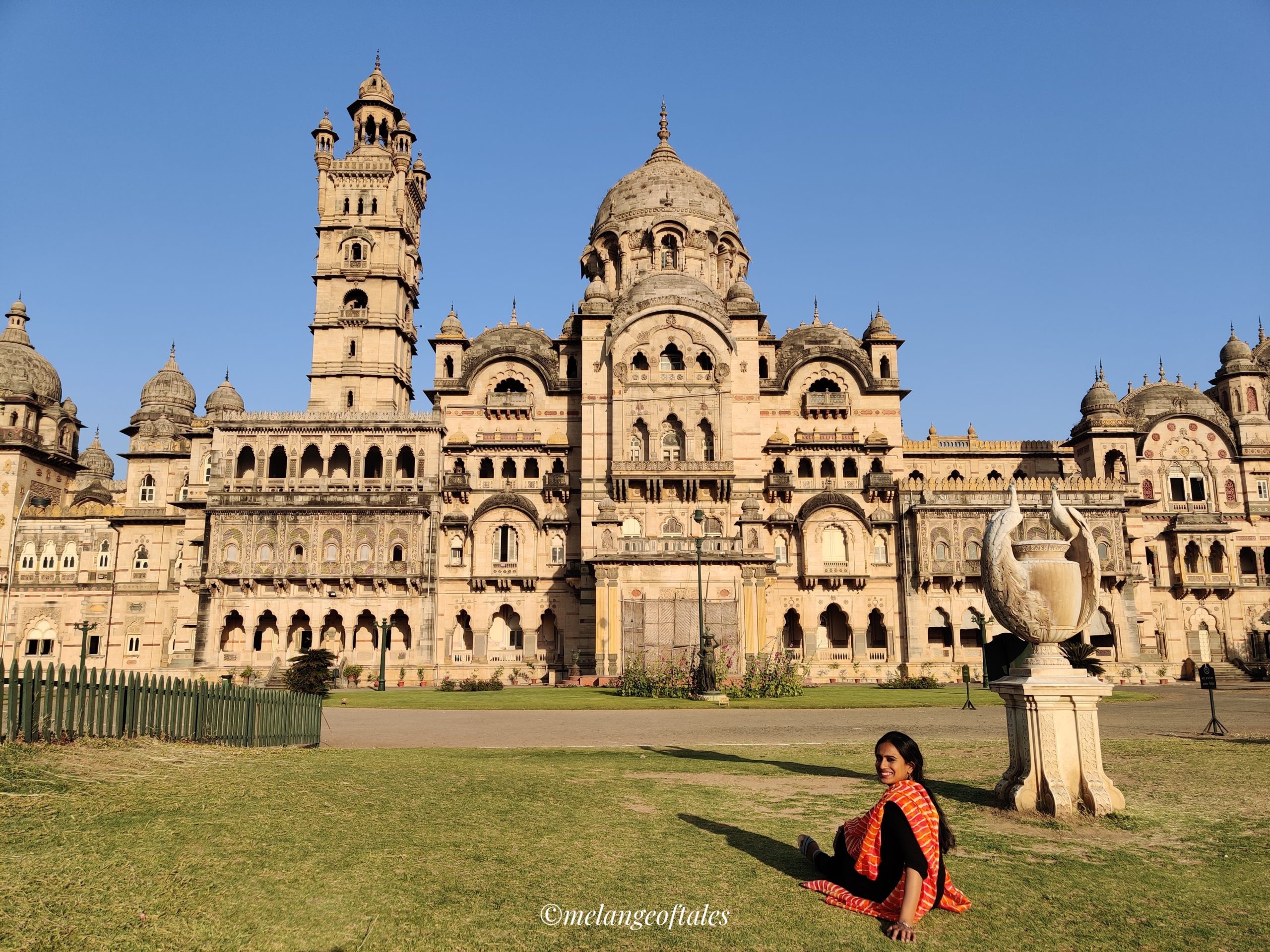
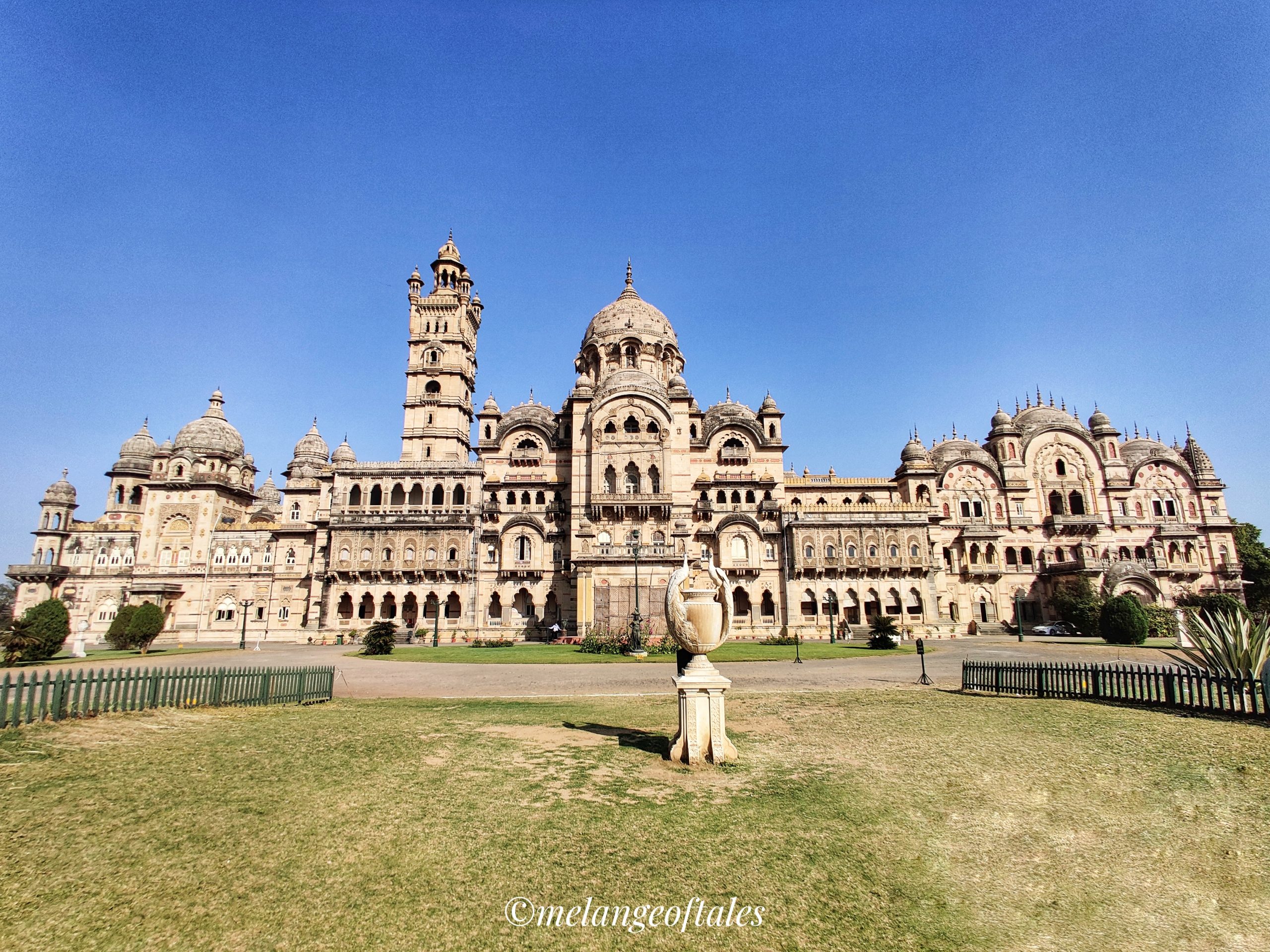
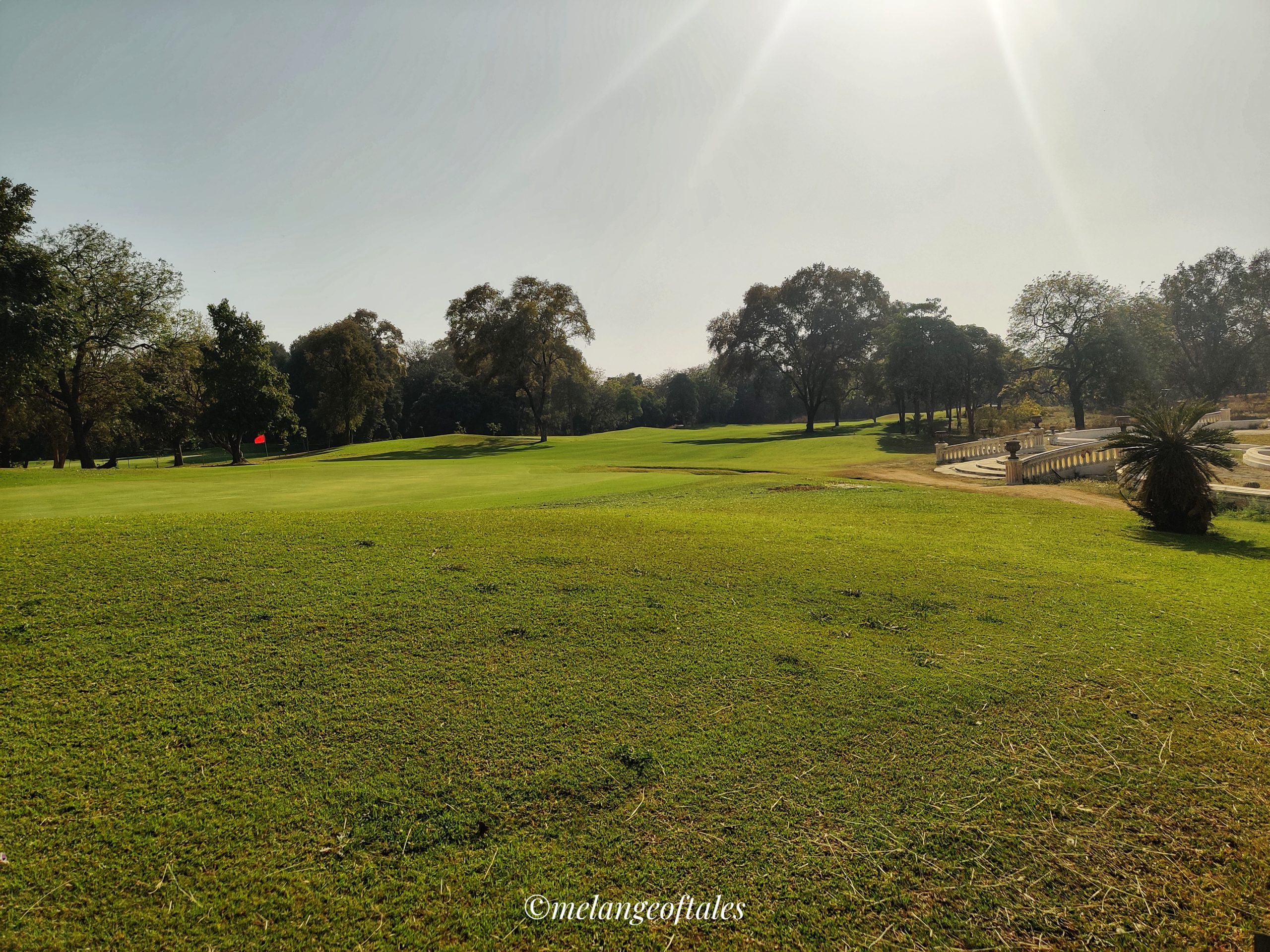
    This would be the first place anybody in Baroda will suggest tourists to visit. When I visited Lakshmi Vilas Palace, I was taken aback by the marvellous structure and the intricate designs on its exterior. The palace also has an enormous golf course in front of it which adds to the charm.

    LVP_Front
    Full view of the palace

    I took an audio guide at an additional cost since I was keen on knowing about the place. You can click as many pictures as you want outside the palace. Photography is strictly prohibited inside.

    The princely state of Vadodara was the capital of The Gaekwads (Marathas) since the 18th century till India’s independence in 1947. Most of the people employed within the palace premises are Marathi speaking inspite of being in Gujarat where Gujarati is the dominant language. When we checked with the employees there regarding this, we got to know that the king likes it that way. ?

    Golf course
    Golf course

    The construction of the palace began in 1879 and got completed in 1890. It has 170 rooms and was initially built only for 2 people. The Royal family still lives in the very palace and hence only the ground floor is open for visitors. The audio guide will direct you to spots within the palace and the adjoining palace grounds and it is very informative.

    Points to note:

    Timings: 10am-5pm (Closed on Mondays)
    Palace Entry Ticket: Rs.200 (with audio guide it would be Rs.250)
    Audio guide is available in Gujarati, Hindi, Marathi and English
    Time required: 2 hours

    Maharaja Fateh Singh Museum

    The museum lies within the palace grounds. The entry gate is number 4 to the museum and 2 to the palace. You can get a combined ticket to the palace and museum at a subsidised cost if you are planning on visiting both on the same day. I took the audio guide here as well. Photography is strictly prohibited inside the museum just like the palace.

    Fateh_Singh_Museum
    Fateh Singh Museum

    The current museum was once a school for the Royal children. They used to go to their school from the Lakshmi Vilas Palace through a toy train. The museum houses sculptures and paintings by Raja Ravi Varma, Fellicci and many other Indian, European, Chinese and Japanese artists.

    Points to note:

    Museum entrance ticket: Rs.60 (with audio guide it would be Rs.90)
    Audio guide is available in Hindi and English
    Timings: 10.30am – 5.30pm (Closed on Mondays)
    Time required: 1.5 hours

    Kirti Mandir

    Kirti Mandir (Temple of fame) was built in memory of the ancestors of the Gaekwad family. It is now used by the Vadodara Municipal Corporation for art and craft exhibitions. There is no idol inside the temple. It has rare paintings and art works of famous artists. There are 3 other Hindu temples within the same premises.

    Points to note:

    Entry ticket: Nil
    Timings: 10am – 5pm (Closed on Sundays)

    Sri Aurobindo Nivas in Vadodara

    One place that I would want to keep visiting every time I visit Baroda would be Sri Aurobindo Nivas. The place in itself had so much of positive vibes. It created a sense of calmness and positivity inside me. The Ashram is the only National Memorial in the city of Baroda.

    Sri Aurobindo stayed in Baroda from 1893 to 1906. This was his longest stay in one place in India, except for Pondicherry. He was the Principal of Baroda College (now know as The Maharaja Sayajirao University) during his stay in Baroda and secretary to Maharaja Sayaji Rao Gaekwad III. The bungalow that was his residence, was handed over to the Aurobindo Society in 1971 to spread the teachings of Sri Aurobindo and The Mother.

    We got to know a lot about the Ashram because of Jitu Bhai who is an employee at the Ashram in Baroda for 40+ years. We were blessed to have him tell us about the various activities that happen at the Ashram.

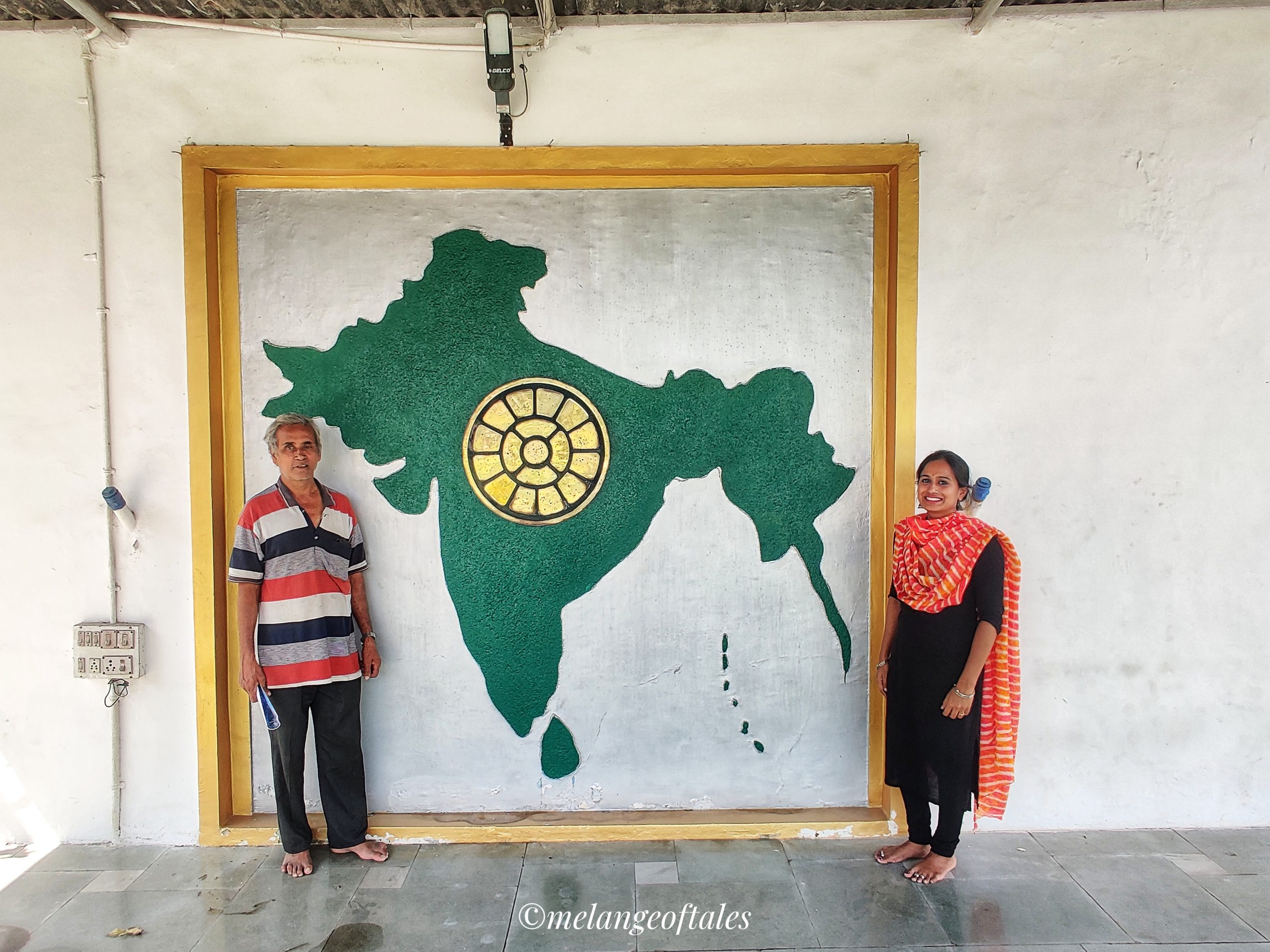
    Aurobindo_IndiaMap
    United India (before independence)

    The Ashram is very spacious. It has 23 rooms, a library, a health centre and a store that sells Ayurvedic products. It offers various services to the people at a very minimal cost.

    Services offered in Sri Aurobindo Nivas Vadodara

    There is a 15-day Yoga course from 5.30 – 6.30 am and 6 – 7 pm at Rs.50/- in the space behind the Ashram before entering the pink building that provides stay and medical facilities within the Ashram premises. The timings for the Acupuncture session is 9 – 11am.
    The cost of Aurobindo Society membership and the library is Rs.180 and Rs.50 for a year respectively.

    There is an exhibition hall within the Ashram that tells you everything about Sri Aurobindo and The Mother since their birth.

    Points to note:

    Entry Ticket: Nil
    Timings: 8am – 8pm

    Sur Sagar Lake Vadodara

    The lake is situated at the heart of the city. There is a 120 feet tall Shiva statue in the middle of the lake. The statue and the walking space around the lake area is lit in the evenings. It would be pleasant to take a morning or an evening walk. There are boat rides as well.

    You can find many mobile fast-food stalls around the lake, if you are in for a quick bite. If you want to go to the Nava Bazaar for shopping, it is at a walkable distance from the lake.

    Nava_bazaar
    Nava Bazaar

    Day 2 in Vadodara

    Sevasi Vav

    If you fancy symmetrical structures like me then you are going to love Sevasi Vav in Vadodara. It is an ancient heritage stepwell (at least 500 years old) and an archaeological site. There is a temple within the stepwell. The place is not so well maintained and I heard that people who come for photoshoots are ruining the 500 years old step well. Unfortunately, you find water along with discarded plastic waste, bottles, flowers and flies as you approach the bottom of the stepwell.

    I stayed only 3.5 km from the stepwell so I paid my visit on an early morning.

    Points to note:

    Entry Ticket: Nil
    Timings: Open 24 hours

    Tambekar Wada

    The proverb ‘Don’t judge a book by its cover’ goes right with Tambekar Wada. It was a Maratha mansion, residence of Bhau Tambekar, who was the Diwan (Minister) of the erstwhile Vadodara state from 1849 – 1854 AD. It is one of the structures in Baroda which is protected by the Archaeological Survey of India (ASI).

    The Wada is a three-storeyed building. Visitors are allowed to visit till the 1st floor accompanied by someone from the ASI office in the ground floor of the Wada. You will see different paintings on the wall telling you stories of Mahabharata, Ramayana & wars that involved Indian and British soldiers.

    Wooden Jaali
    Wooden Jaali

    The ASI is taking measures to restore the paintings. There are no artificial lights within the building in order to not damage the colours used in the painting. When I asked if I can click pictures, the representative told me to go ahead but without any flash from my camera.

    Points to note:

    Timings: 10am – 5pm
    Entry ticket: Nil

    Sayaji Baug

    The 113-acre garden in Vadodara is one of the largest public gardens in Western India. It has a mini zoo, planetarium, museum and picture gallery, flower clock, an operational toy train, fun rides like bumping car, jumping jet, zipline etc.

    Baroda_Art_gallery_museum
    Baroda Museum and Art Gallery

    The Baroda Museum and Art Gallery has a rare collection of paintings, sculptures, crockeries, clothes, statues, bones, stones, mummified birds, animals, sea creatures and much more from all over the world.

    Points to note:

    Park Timings: 7am – 6pm (Closed on Thursdays)
    Museum, planetarium, train and fun ride timings: 10am – 5pm
    Museum ticket: Rs.100/-
    Train ticket: Rs.50/-

    EME Temple

    The temple is built by the Indian Army Corps of Electronics and Mechanical Engineers. It is also maintained by the Indian Army. The temple is said to follow secularism and represents 6 religions of the world.
    I didn’t get a chance to visit EME Temple because it was closed due to Covid-19.

    Points to note:

    Timings: 9.30am – 5pm (Closed on Sundays)

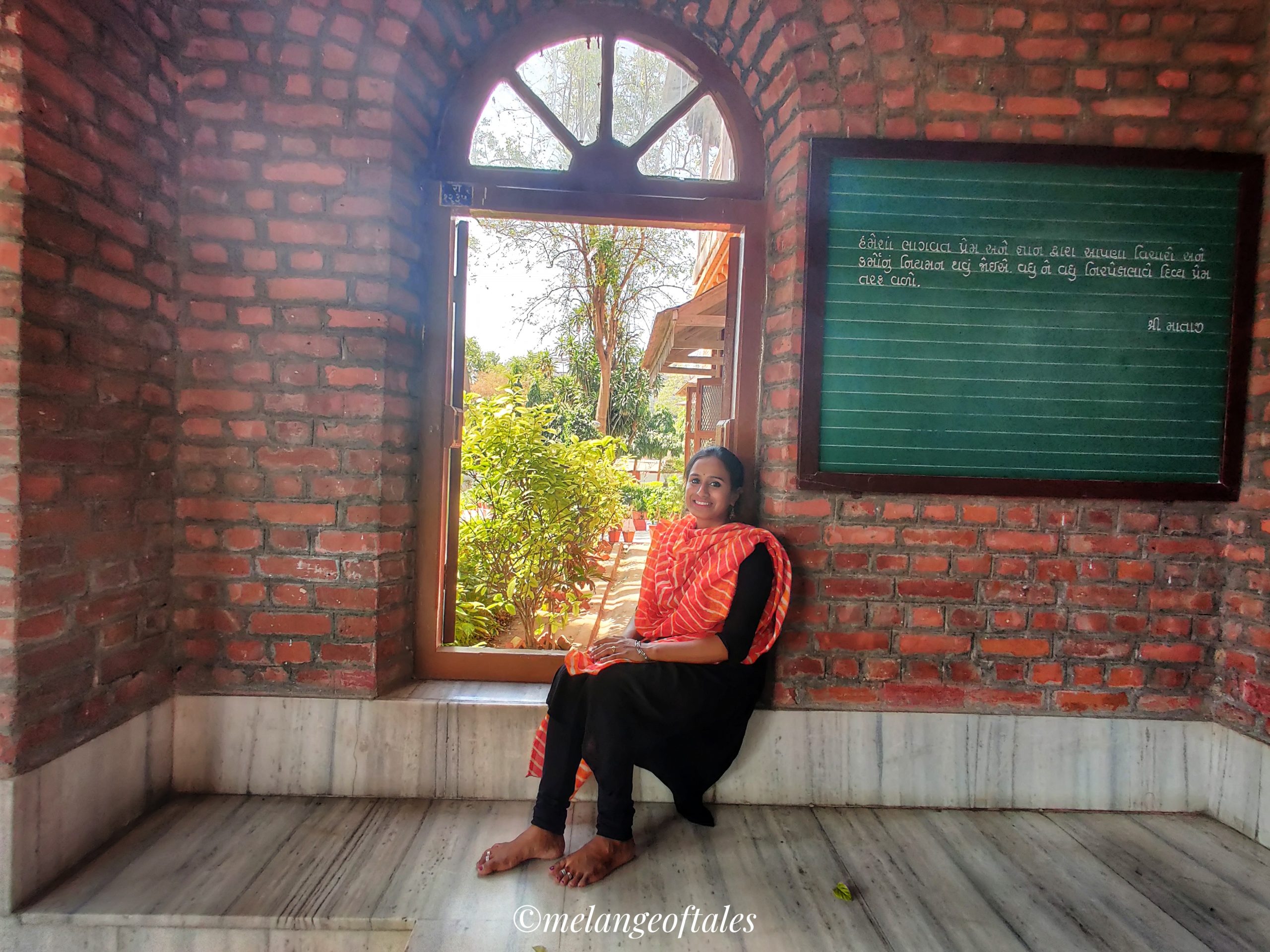
    Aurobindo_entrance_window
    Peace

    Food in Vadodara

    When you are in the land of Besan (Gujarat), you will definitely have to try all its most famous delicacies like Dhokla, Khaman, Patra, Fafda, Khandvi, Khakra, Surti Locho, Kutchi Dabeli, Lilo Chevdo and Handvo.

    Jagdish Foods Vadodara

    The one stop store I would suggest for you to relish all these snacks in hygienic conditions is at Jagdish. There are multiple Jagdish’s in Baroda and the one I will suggest is the Jagdish Foods on Old Padra Road (Malhar Point).

    Raju Omelette

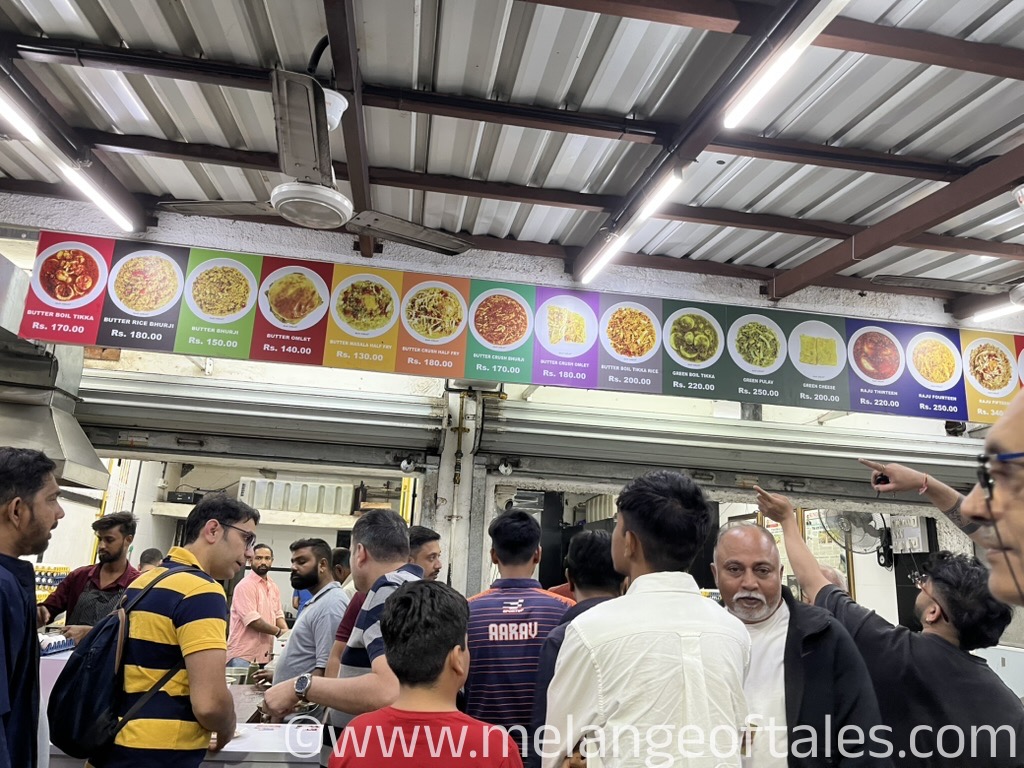
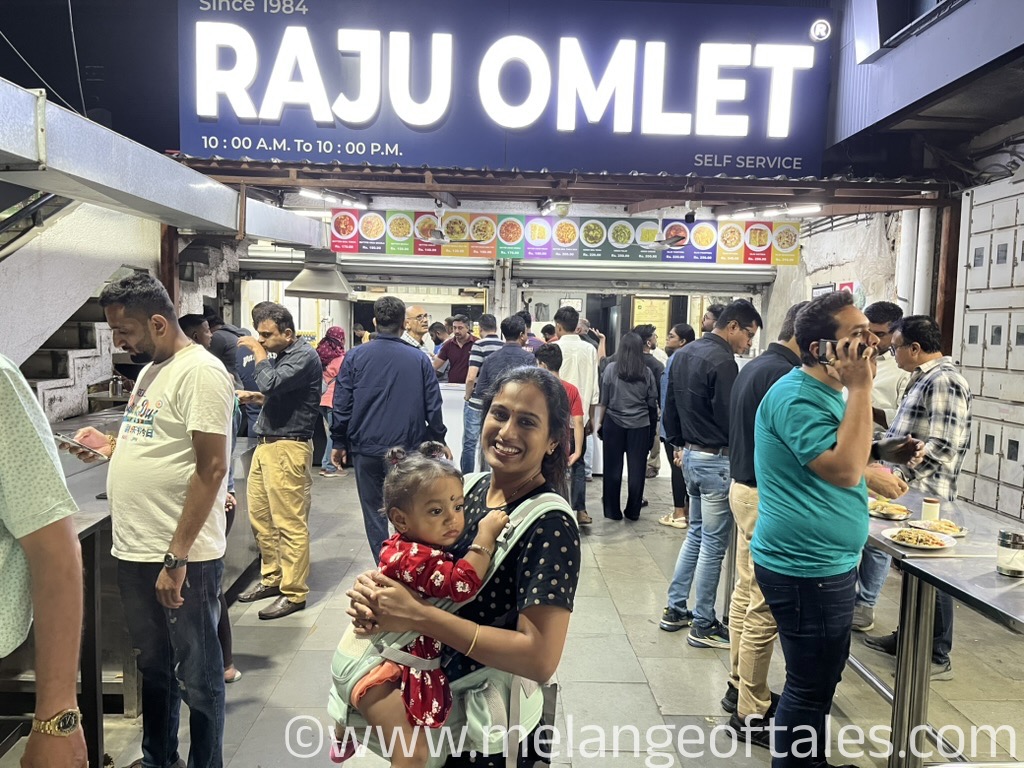
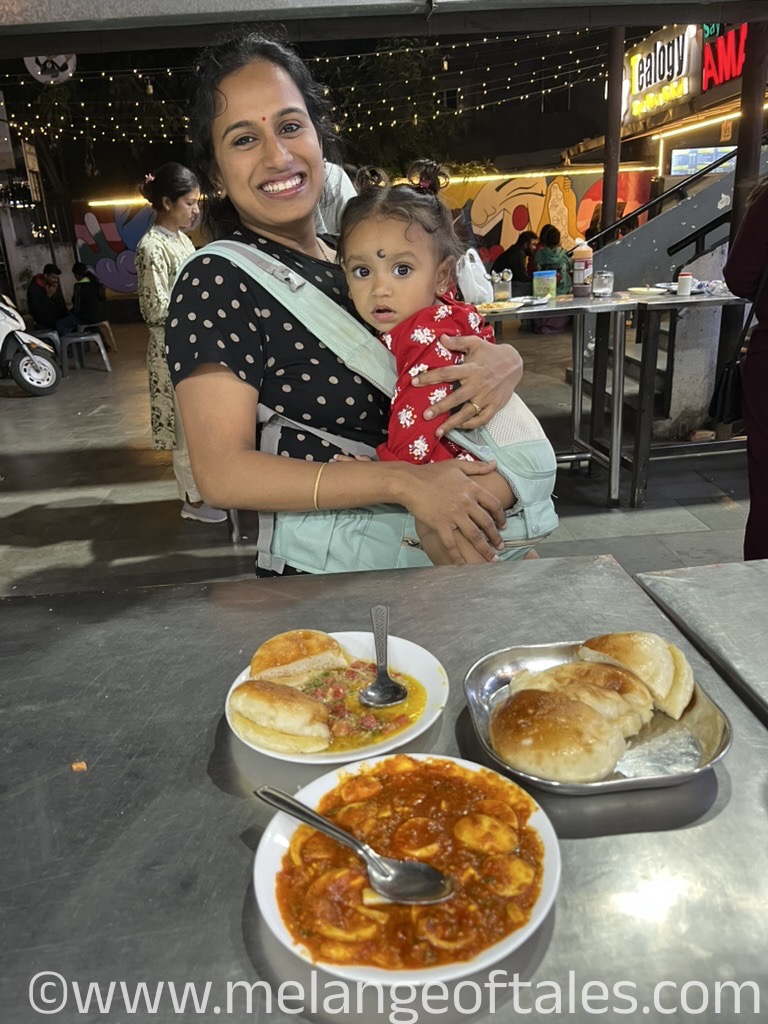
    My visit to Vadodara is not complete without a visit to Raju Omelette. I LOVE the eggs at Raju Omelette and I would suggest you to try Raju Eighteen (Raju 18) in Karelibagh.

    Rajasthan Kulfi

    If you are a Kulfi lover like me then Rajasthan Kulfi is where you should visit when you are in Baroda. I love their Malai Kulfis.

    Places to visit near Baroda (Vadodara)

    Vadodara is a place of rich legacy and mesmerizing architecture. I noticed government buildings like The Collector Office and Municipal Corporation having wonderful structures. I have never seen a market building that is as good as the Khanderao Market. The city is a blend of the old and the contemporary. The bus stand and railway station are next to each other which makes it easy for people who want to travel.

    This is a city that I keep visiting every year and I will keep updating this blog with all my experiences from this beautiful city.

Verified by MonsterInsights